
You may find yourself confused about the roles of psychologists and psychiatrists in a courtroom setting. Both professionals bring unique expertise to legal cases, but their functions and qualifications differ significantly. Understanding these distinctions can help you better navigate legal processes, whether you’re involved in a case or simply seeking to enhance your knowledge on mental health evaluations and expert testimonies in court. This post will clarify how each professional contributes to legal matters, ultimately aiding your comprehension of how mental health factors into the judicial system.
Understanding the Roles
Definition of a Psychologist
A psychologist is a professional trained in the study of behavior and mental processes. They engage in assessment, diagnosis, and therapy, employing various psychological tests and therapeutic techniques to help individuals cope with emotional and psychological challenges. In court, your testimony might weigh heavily on issues like mental state, competency, and personal history.
Definition of a Psychiatrist
A psychiatrist is a medical doctor specializing in mental health disorders. They can prescribe medication and provide psychotherapy. In legal contexts, your role often revolves around evaluating mental competency and diagnosing mental health conditions relevant to cases such as criminal behavior or custody issues.
Unlike psychologists, psychiatrists focus on the biological aspects of mental health, which means you can examine the physiological factors impacting a person’s behavior. Your medical training lets you assess how mental illnesses might influence decision-making or responsibilities in criminal cases. Often, your evaluations include both medical history and potential treatments, shaping the court’s understanding of a defendant’s mental state.
Education and Training Differences
Psychologists typically hold a doctoral degree in psychology (Ph.D. or Psy.D.) and complete years of internship to gain practical experience. In contrast, psychiatrists must earn a medical degree (MD or DO) followed by a four-year residency focused on psychiatry, combining education with clinical training.
This difference in training emphasizes varied expertise: as a psychologist, you investigate deeply into therapy techniques and psychological assessment tools, while as a psychiatrist, your training allows you to understand pharmacology and the medical treatment of mental disorders. This distinction can significantly influence your contributions in court, particularly in complex cases linking mental health and legal accountability.
Licensing and Certification
To practice, psychologists must obtain state licensure, usually requiring passing the Examination for Professional Practice in Psychology (EPPP) followed by a certain number of supervised hours. Psychiatrists also need a state license, which involves passing the United States Medical Licensing Examination (USMLE) after completing their medical degree and residency.
Distinct Functions in Legal Settings
Role of Psychologists in Court
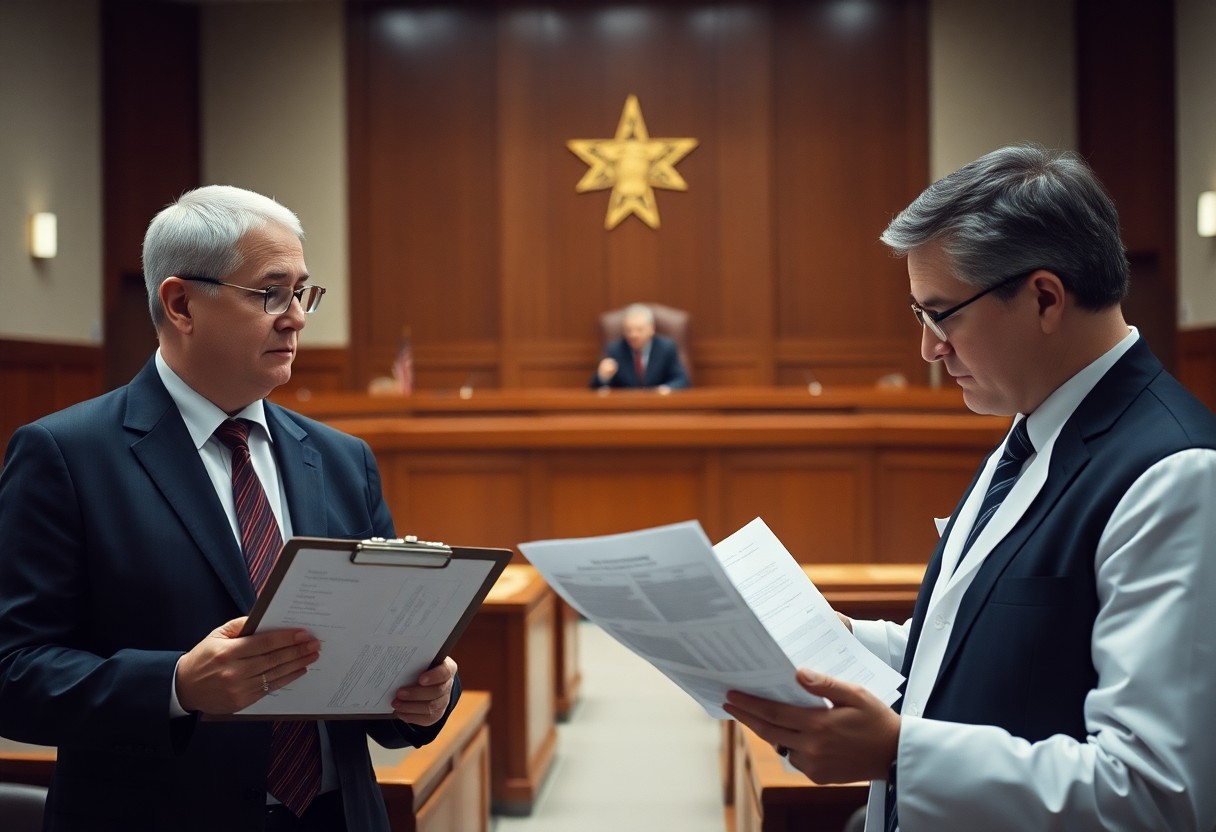
Psychologists typically evaluate mental health aspects relevant to cases, providing insights into behavior and cognitive functioning. They may conduct assessments and offer expert testimony regarding a defendant’s competency, mental state, or the impact of trauma. Their work often helps to clarify issues of insanity or diminished capacity, highlighting how psychological factors play a role in decision-making processes.
Role of Psychiatrists in Court
Psychiatrists bring a medical perspective, often diagnosing and prescribing treatment for mental health disorders. Their evaluations can include reviewing medications, assessing for any side effects, and clarifying the biological aspects of mental illness. In court, they provide expert testimony regarding the potential for rehabilitation or the risk of reoffending, focusing on the clinical implications of mental health issues.
In legal contexts, psychiatrists often play a pivotal role in cases involving severe mental health conditions. For instance, diagnosing a defendant with schizophrenia can significantly influence their treatment within the judicial system. Psychiatrists are frequently called upon in criminal cases to assess defendants’ mental states at the time of the offense, providing juries with crucial information on whether a defendant understood the nature of their actions. Their medical training allows them to detail how psychiatric disorders can impair judgment, making their input invaluable during trials.
Types of Cases Involving Psychologists and Psychiatrists
| Type of Case | Role of Psychologist or Psychiatrist |
|---|---|
| Criminal Cases | Assess criminal responsibility, competency, and mental state at the time of the crime. |
| Civil Cases | Evaluate emotional damages, mental health issues, and impact on quality of life. |
| Family Law Cases | Examine mental health issues affecting custody, divorce, and family dynamics. |
| Forensic Evaluations | Conduct assessments required by the court for various legal proceedings. |
| Consultations | Provide expert testimony and insights relevant to psychological aspects of cases. |
After evaluating the types of cases, understanding how psychologists and psychiatrists contribute to each can clarify their specific roles in legal proceedings.
Criminal Cases
In criminal cases, psychologists and psychiatrists assess defendants to determine their mental fitness to stand trial and whether they understood the nature of their actions at the time of the crime. These assessments can influence verdicts, sentencing, and rehabilitation opportunities.
Civil Cases
Civil cases often involve disputes over emotional distress and damages due to mental health issues. Psychologists may provide insight into how a traumatic event has impacted your mental well-being and daily functioning, thus helping in claims for compensation.
Psychologists play a significant role in civil cases by focusing on emotional assessments that articulate the psychological consequences of events, like accidents or workplace disputes. Their evaluations can lead to more informed settlements, illuminating how such events disrupt lives both personally and professionally.
Family Law Cases
In family law cases, both psychologists and psychiatrists evaluate the mental health of individuals involved, focusing particularly on custodial arrangements, allegations of abuse, or other factors impacting family dynamics. Their evaluations are pivotal for determining outcomes that protect the well-being of children and families.
By analyzing relationships and emotional stability, psychologists provide evidence that informs judges in custody battles and divorce settlements. Their expertise helps ensure that decisions made are in the best interest of children while addressing the underlying mental health issues that may arise in family disputes.
Forensic Evaluations
Forensic evaluations are specialized assessments conducted by psychologists and psychiatrists to assist the court in various legal matters. These evaluations often focus on issues like competency to stand trial, risk assessments, and the evaluation of mental conditions relevant to legal defenses.
These evaluators utilize standardized tests and clinical interviews to gather comprehensive information about an individual’s mental health, which aids in forming legal strategies. Their assessments help clarify complex psychological issues for judges and juries, significantly influencing legal outcomes based on mental health factors.
Methods of Evaluation
Psychological Assessment Techniques
Psychological assessments utilize standardized tests, interviews, and observational methods to evaluate cognitive, emotional, and behavioral functioning. You might encounter instruments like the Minnesota Multiphasic Personality Inventory (MMPI) or the Beck Depression Inventory, which provide quantitative data on various psychological conditions, aiding in diagnosis and treatment planning.
Psychiatric Assessment Techniques
Psychiatrists typically conduct clinical interviews, review medical histories, and may use diagnostic criteria from the DSM-5. You may see them prescribing medication based on their evaluations, which often focus on the biological and medical aspects of mental health, allowing for an integrated approach to treatment.
In psychiatric assessments, emphasis is placed on understanding the neurobiological underpinnings of mental disorders, alongside a thorough evaluation of any substance use or medical issues that may affect a patient’s mental health. This multi-faceted approach helps in formulating a comprehensive treatment plan that can include pharmacotherapy, therapy, and lifestyle interventions.
Comparison of Assessment Outcomes
Outcomes from psychological and psychiatric assessments can vary significantly based on focus areas and methodologies. Psychological evaluations may lead to insights regarding coping strategies, while psychiatric assessments often result in clinical diagnoses and recommendations for medication.
Comparison of Assessment Outcomes
| Psychological Evaluation Outcomes | Psychiatric Evaluation Outcomes |
|---|---|
| Behavioral insights and therapy recommendations | Medical diagnoses and treatment plans |
| Focus on emotional and cognitive functioning | Focus on neurobiological factors |
| Use of standardized testing tools | Clinical interviews and medical history reviews |
Understanding these different outcomes allows you to appreciate how each professional contributes to a case. Psychological evaluations may enhance therapeutic strategies, while psychiatric assessments inform medication management and the overall treatment course, leading to holistic care for individuals involved in legal matters.
Ethical Considerations
Confidentiality and Privilege
Confidentiality is paramount in both psychology and psychiatry, ensuring that communications between the professional and client remain protected. In court settings, however, this privilege can be challenged, particularly when the court believes the information is crucial for legal proceedings. Understanding the limits and exceptions to confidentiality in your case will help you navigate these complex issues effectively.
Conflict of Interest
Identifying and managing potential conflicts of interest is vital for both psychologists and psychiatrists in court. When a professional has a personal connection to the case or stands to gain from the outcome, their objectivity can be compromised. This aspect requires strict adherence to ethical guidelines to maintain credibility.
In legal contexts, a conflict of interest can arise if, for example, a psychologist has previously treated a party involved in the case, creating a dual relationship that may skew their assessments. If there’s evidence that your expert’s financial interests align with one party, this could undermine their testimony, leading to challenges by opposing counsel. Awareness of such conflicts beforehand can safeguard the integrity of your legal arguments.
Bias and Objectivity
Maintaining objectivity is crucial in the evaluations conducted by psychologists and psychiatrists. Biases can inadvertently influence assessments and testimonies, potentially leading to skewed results. It is critical for you to ensure that any expert involved remains impartial, as their credibility directly impacts the case’s integrity.
Bias can manifest in various forms, from personal experiences to preconceived notions about certain demographics. For instance, a psychologist specializing in trauma may unconsciously attribute certain behaviors in a criminal case to past victimization instead of an impartial evaluation of the evidence. Ensuring that assessors employ standardized methods and are aware of their biases contributes to more reliable conclusions, ultimately strengthening your legal position.
Collaboration in the Legal System
Interdisciplinary Teams
In legal cases, interdisciplinary teams comprising psychologists, psychiatrists, and legal professionals work together to offer comprehensive insights. By combining expertise, these teams can evaluate a defendant’s mental state or a child’s capacity for custody decisions effectively. Each professional contributes unique perspectives that enrich understanding, aiding legal strategies and outcomes.
Communication Between Psychologists and Psychiatrists
Effective communication between psychologists and psychiatrists is imperative for successful case management. Regular discussions about findings, treatment approaches, and diagnostic impressions ensure that both professionals are aligned in their assessments, enhancing the quality of support offered to the legal system.
This collaboration often includes sharing updates on patient progress and discussing potential implications of each assessment. By exchanging information on therapeutic methods or psychological evaluations, you can develop a more holistic view of the case. This synergy not only benefits the professionals but also significantly impacts the outcomes of the legal processes as they work towards common objectives.
Joint Reports and Testimony
Joint reports and testimony from psychologists and psychiatrists provide a well-rounded perspective in court. These documents consolidate findings from both professionals, ensuring that the judge and jury receive comprehensive information about a individual’s mental health status and its relevance to the case.
Co-authoring reports allows you to present a unified front, highlighting agreement on key points while also addressing any differences in opinion. This collaborative documentation enhances credibility and can aid in persuading the court regarding critical issues such as competency, sanity, or the psychological impact of trauma. The combined testimony can significantly influence legal outcomes by presenting a coherent narrative that integrates both psychological and psychiatric insights.
Conclusion
Upon reflecting, you can see that understanding the differences between a psychologist and a psychiatrist in court is vital for effective legal proceedings. Psychologists often provide insights into behavior and mental health assessments, while psychiatrists can prescribe medications and tackle more complex psychiatric conditions. Knowing the unique roles and expertise of each can help you make informed decisions when engaging with mental health professionals in a legal context, ultimately strengthening your case and enhancing your understanding of the psychological aspects of legal matters.
FAQ
Q: What is the primary role of a psychologist in court cases?
A: Psychologists typically provide assessments related to mental health, behavior, and emotional issues. They may conduct evaluations, provide expert testimony, and offer insights on a person’s capacity, competency, or psychological state relevant to the case.
Q: How does the role of a psychiatrist differ from that of a psychologist in a courtroom setting?
A: Psychiatrists are medical doctors who can diagnose and treat mental illnesses. In court, they may assess a defendant’s mental state, prescribe medications, and testify on how a mental disorder may affect an individual’s behavior or decision-making during the time of the alleged offense.
Q: Can both psychologists and psychiatrists serve as expert witnesses in court?
A: Yes, both professionals can serve as expert witnesses. However, their testimonies will differ based on their training and expertise. Psychologists focus on behavioral and emotional assessments, while psychiatrists may offer insights on medical and pharmacological aspects related to mental health issues.