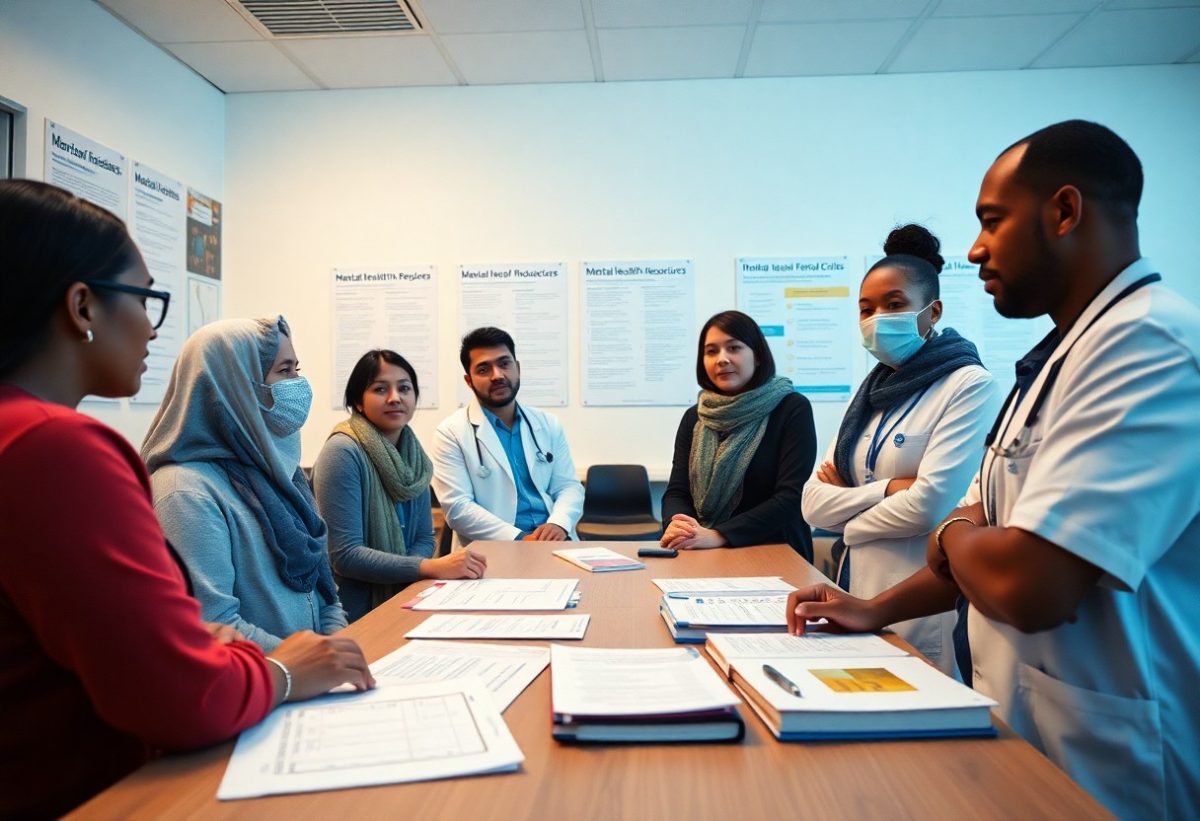
With the rising number of asylum seekers globally, it is imperative for you to understand the unique mental health challenges they face. Your awareness of their experiences can aid in providing appropriate support and resources. This post highlights key factors affecting their mental well-being, the impact of trauma and displacement, and effective assessment strategies that can improve their overall quality of life.
Understanding Asylum Seekers’ Mental Health
Asylum seekers often face unique challenges that affect their mental health. Many have experienced trauma, loss, and significant life changes as they flee their home countries. The uncertainty surrounding their legal status and fears of deportation can lead to anxiety and depression. Understanding these aspects is vital for effective support and intervention.
Common Mental Health Issues
Anxiety disorders, depression, and post-traumatic stress disorder (PTSD) are prevalent among asylum seekers. The traumatic experiences of war, violence, and persecution contribute to these conditions. Lack of social support and inadequate access to mental health services further exacerbate these issues, often leading to a cycle of worsening mental health.
Cultural and Sociopolitical Factors
Cultural stigma surrounding mental health and the socio-political climate can significantly impact asylum seekers’ willingness to seek help. Discrimination, language barriers, and unfamiliarity with the healthcare system create additional hurdles. Familiarity with cultural perspectives on health can enhance the effectiveness of mental health interventions.
- Language barriers can hinder access to services.
- Socio-political instability can lead to heightened stress.
- Discrimination can exacerbate feelings of isolation.
- Assume that cultural factors shape your perceptions of mental health.
Engaging with asylum seekers requires a nuanced understanding of these cultural and sociopolitical factors. A tailored approach that respects cultural beliefs can diminish stigma and encourage individuals to seek assistance. Additionally, building trust within communities and providing culturally competent care can improve mental health outcomes.
- Community support networks can alleviate feelings of isolation.
- Culturally sensitive mental health education can empower asylum seekers.
- Legal assistance can reduce anxiety regarding status and security.
- Assume that support services must be tailored to cultural contexts.

Screening and Assessment Tools
Effective screening and assessment of asylum seekers’ mental health require a combination of structured tools and clinical interviews tailored to their unique experiences. Utilizing a range of validated instruments can uncover psychological distress, trauma exposure, and cultural factors influencing mental health. These tools must balance sensitivity to the nuances of refugee experiences while ensuring comprehensive coverage of potential mental health concerns.
Standardized Assessment Methods
Standardized assessment methods, such as the Generalized Anxiety Disorder 7-item scale (GAD-7) and the Patient Health Questionnaire-9 (PHQ-9), provide reliable metrics to evaluate mental health symptoms among asylum seekers. These tools enable you to quantify levels of anxiety and depression effectively while making cross-cultural adaptations to ensure relevance and accuracy. By employing these standardized tools, you gain a structured approach to screen for mental health issues systematically.
Challenges in Assessment
Obstacles in the assessment of asylum seekers’ mental health primarily stem from cultural differences, language barriers, and varying perceptions of mental illness. These challenges can lead to misinterpretation of symptoms and hinder accurate diagnosis, ultimately complicating the provision of appropriate care. Furthermore, trauma history and stigmatization can impact willingness to disclose feelings, making assessments even more complex.
Cultural differences often shape how individuals express or understand their mental health. For instance, what may be perceived as depression in one culture could be viewed as a somatic complaint in another. Language barriers can lead to misunderstandings, as nuanced emotional expressions might not translate well. Trauma-related stigma can further complicate discussions around mental health, causing asylum seekers to underreport symptoms. These factors necessitate careful consideration of culturally appropriate approaches and skilled interpreters, highlighting the need for training among professionals to enhance the effectiveness of assessments.
Legal and Ethical Considerations
Understanding legal and ethical considerations surrounding the mental health of asylum seekers is vital for providing appropriate support and adhering to established frameworks governing human rights. Ethical duties include ensuring equitable access to mental health services while navigating the complexities of immigration laws that may influence treatment options and the well-being of individuals in the asylum process.
Rights of Asylum Seekers
You possess specific rights as an asylum seeker, including the right to seek protection without facing discrimination and the right to access necessary health services. International treaties, such as the 1951 Refugee Convention, emphasize your entitlement to humane treatment and safety, which extends to mental health care and support services.
Confidentiality and Consent
Confidentiality and informed consent are paramount in the provision of mental health services to asylum seekers. You should be aware that any information shared during therapy or counseling sessions remains protected, and consent should be obtained before any disclosure or treatment begins, ensuring your autonomy and trust in the therapeutic relationship.
Your confidentiality is protected legally, meaning that mental health professionals must secure your private information. This confidentiality is vital, as many asylum seekers may fear that disclosing personal experiences could jeopardize their asylum claims or lead to negative repercussions. It’s important to establish a clear understanding of consent, ensuring that any treatment discussed aligns with your values and preferences, while also acknowledging the sensitive nature of your asylum journey. Professionals must communicate clearly about the limits of confidentiality, particularly concerning risk of harm or legal obligations, which helps foster a trusting therapeutic environment.
Support Services and Interventions
Asylum seekers face unique mental health challenges, necessitating tailored support services and interventions. These programs aim to provide immediate relief and long-term mental health management, integrating cultural sensitivity and accessibility into their frameworks. Effective interventions can significantly reduce symptoms of trauma and anxiety, fostering resilience and social integration.
Mental Health Treatment Options
Various mental health treatment options exist for asylum seekers, including psychotherapy, medication management, and group therapy. Trauma-informed care models, such as cognitive behavioral therapy, have shown effectiveness in addressing the specific needs of this population. Accessibility remains critical, with services offered in multiple languages and within culturally responsive settings.
Community Support Programs
Community support programs play a vital role in facilitating the mental well-being of asylum seekers by providing imperative resources and social networks. These programs often include peer support groups, legal assistance, and outreach services designed to address immediate needs while building community connections.
Community support programs, such as local NGOs and faith-based organizations, can offer significant resources to asylum seekers. By connecting individuals with peer support networks, these programs create a sense of belonging and reduce isolation. Educational workshops on navigating local systems, coupled with legal guidance, empower individuals to understand their rights and access necessary services. These tailored support mechanisms not only target immediate mental health needs but also foster resilience and social integration within the community, promoting a holistic approach to mental well-being. Evidence shows that asylum seekers engaged in community programs report enhanced emotional well-being and improved coping strategies, demonstrating the importance of integrated support systems.
The Role of Healthcare Professionals
Healthcare professionals play a pivotal role in the mental health support of asylum seekers, acting as the first point of contact for many. They help identify mental health issues early, providing appropriate interventions and referrals to specialized services. Your understanding of cultural sensitivities is important in fostering trust and ensuring effective communication. Implementing trauma-informed care can significantly improve engagement and outcomes for asylum seekers who may feel marginalized and overlooked in traditional healthcare settings.
Training and Awareness
Training and awareness regarding the unique mental health needs of asylum seekers enable healthcare professionals to offer empathetic and informed care. Incorporating cultural competency training into medical education ensures that you recognize the complexities surrounding asylum seekers’ experiences. Awareness of issues like post-traumatic stress disorder (PTSD) and depression enhances your ability to respond effectively to their needs, fostering a more supportive and understanding environment.
Multidisciplinary Approaches
Adopting multidisciplinary approaches strengthens the support network for asylum seekers, integrating various health professionals’ expertise. Collaborating with psychologists, social workers, and legal advisors creates a comprehensive treatment plan that addresses the multifaceted challenges faced by this population. This integration allows for more effective communication strategies and resource sharing, ultimately improving the quality of care provided.
In practice, a multidisciplinary approach can involve regular case meetings where healthcare professionals discuss individual cases, share insights, and establish coordinated care plans. For instance, a psychiatrist’s medication management can be complemented by a social worker’s support in navigating housing or legal issues. By facilitating partnerships among physical healthcare, mental health services, and community organizations, you can create a holistic support system that promotes stability and well-being for asylum seekers. This team-oriented model not only ensures diverse perspectives are considered but also maximizes the resources available to effectively address the complex needs of vulnerable populations.

Research Gaps and Future Directions
Identifying gaps in existing research on the mental health of asylum seekers reveals significant opportunities for exploration. You may find that studies often focus on immediate psychological effects, neglecting long-term impact and cultural factors. Addressing these gaps can lead to more effective interventions tailored to diverse populations and their unique experiences.
Need for Longitudinal Studies
Longitudinal studies can provide a deeper understanding of mental health trajectories among asylum seekers over time. By tracking changes in mental health as individuals navigate the asylum process, you can uncover patterns related to stressors, support systems, and resilience factors. Such insights are necessary for developing informed, evidence-based interventions.
Enhancing Assessment Protocols
Current assessment protocols often lack cultural sensitivity and fail to capture the complexities of asylum seekers’ experiences. You should advocate for tools that integrate comprehensive biopsychosocial assessments, focusing on trauma history, current stressors, and support networks. This approach fosters a holistic understanding of an individual’s mental health in the context of their journey, ensuring more tailored and effective mental health care.
Enhancing assessment protocols involves incorporating culturally relevant frameworks and input from refugee communities. Utilizing validated instruments in multiple languages can address barriers in communication and understanding. Collaborative training with mental health professionals from diverse backgrounds can ensure assessments are not only standardized but also resonate with the unique experiences of asylum seekers. By refining these protocols, you increase the likelihood of identifying mental health issues early and providing timely support, ultimately improving overall care outcomes.
Final Words
Summing up, assessing the mental health of asylum seekers is necessary for understanding and addressing their unique challenges. Your approach should be empathetic and thorough, recognizing the diverse backgrounds and traumatic experiences they may have encountered. Accurate assessments enable you to identify specific needs and tailor support strategies effectively. By prioritizing mental health, you contribute to better outcomes for asylum seekers and foster a more compassionate response to their situations.