Dr Aisha Ali

Categories
Expertise

Court Expectations for Expert Witness Reports (Family Procedure Rules Part 25)

Over the course of family law proceedings, understanding the expectations set out by the Family Procedure Rules Part 25 regarding expert witness reports is vital for your success. You must ensure that these reports adhere to specific guidelines, as they play a significant role in influencing case outcomes. Familiarizing yourself with the requirements for clarity, relevance, and impartiality will not only bolster your position but also facilitate smoother interactions with the court.

Overview of Expert Witness Reports

Definition of an Expert Witness

An expert witness is an individual whose specialized knowledge, skill, experience, training, or education qualifies them to provide an opinion on a particular subject matter in court. In family law, these experts can include psychologists, financial analysts, or social workers, helping you to clarify complex issues for the court.

Importance of Expert Witness Reports in Family Law

Expert witness reports play a pivotal role in family law proceedings, offering objective insights to assist judges in making informed decisions. These detailed assessments are critical in matters such as custody disputes, valuation of assets, and potential risks to children.

The weight of an expert witness report can significantly influence the outcome of your case. For instance, in custody battles, a psychologist’s evaluation might illuminate a child’s needs or the suitability of a parent. Financial experts often help dissect the implications of asset division, thereby impacting settlements and support agreements. By presenting evidence-backed analysis, these reports establish credibility and clarity, helping to advocate for your position effectively in court.

Legal Framework Governing Expert Witnesses

Family Procedure Rules Part 25

Under Family Procedure Rules (FPR) Part 25, the court outlines specific expectations for expert witness reports, emphasizing clarity and necessity. You must ensure that reports are relevant to the case, comply with the guidelines, and are presented in a format that facilitates understanding. This includes providing any necessary disclosures and supporting documents, which help the court to assess the reliability of your evidence.

Key Legislative Provisions Affecting Expert Witness Reports

Several legislative provisions impact the formulation of expert witness reports within family law. Key statutes, including the Children Act 1989 and the Courts and Tribunal (Protection of Vulnerable Witnesses) Act 1999, dictate the obligations of expert witnesses to ensure the welfare of children remains paramount and that vulnerable individuals are adequately protected during proceedings.

The Children Act 1989 plays a vital role in how expert witnesses approach reports, as it mandates that the child’s best interests are prioritized. You must consider how your expertise intersects with the legal requirements to support these interests effectively. Additionally, the Courts and Tribunal (Protection of Vulnerable Witnesses) Act 1999 provides guidance on protecting vulnerable witnesses, thus influencing how you present your findings in ensuring they are comprehensible and sensitive to the needs of those involved. These regulations not only guide the content of your reports but also shape the ethical and professional standards you must uphold throughout the process.

Court Expectations for Expert Witness Reports

Qualities of a Good Expert Witness Report

A quality expert witness report is clear, concise, and well-structured, allowing the court to easily grasp the rationale behind your opinions. It embodies impartiality and objectivity, avoiding any bias while providing thorough analyses. Furthermore, it should be relevant to the case at hand, addressing specific issues raised in the proceedings. You must ensure that your report reflects expertise and adheres to legal standards, making a significant impact on the court’s decision-making process.

Specific Content Requirements

Your expert witness report must contain specific elements outlined in the Family Procedure Rules. Essential components include a declaration of independence, qualifications, the details of the instructions received, and a comprehensive account of the methodology used. It is vital to present your findings in a logical order, supported by evidence, ensuring that each assertion can be substantiated.

In more detail, the content requirements demand that you explicitly state your qualifications and the context of your expertise, detailing your involvement in the case. Including a declaration of independence confirms that you have no conflicts of interest and are not biased. Additionally, a thorough explanation of the methodology allows the court to understand how you reached your conclusions. For instance, if psychological assessments are involved, cite specific tests used and justify why they are appropriate for the individual circumstances. This transparency is fundamental to establishing the credibility of your report and the weight it will carry in court.

Categories
Expertise

Understanding Cognitive Bias in Expert Testimony

Cognition plays a significant role in how you perceive and evaluate expert testimony. This blog post will guide you through the intricacies of cognitive bias and its impact on the reliability of expert opinions. By understanding these biases, you can enhance your ability to critically assess the validity of expert testimony in various contexts, such as legal cases, scientific research, and beyond. Gaining insight into cognitive bias empowers you to make more informed decisions based on expert inputs.

Defining Cognitive Bias

Overview of Cognitive Bias

Cognitive bias refers to systematic patterns of deviation from norm or rationality in judgment. These biases can affect the way you interpret information, leading to erroneous conclusions and judgments. In expert testimony, being aware of these biases can enhance the accuracy and reliability of opinions presented in court.

Historical Context and Evolution of Cognitive Bias

The study of cognitive bias has roots in psychological research, particularly from the mid-20th century. Pioneers like Daniel Kahneman and Amos Tversky laid the groundwork by demonstrating how human decision-making is often influenced by heuristics-mental shortcuts that can lead to biases. Over time, the understanding of these biases has expanded, revealing their significant impact across various domains, including law and expert testimony.

This evolution has been marked by numerous studies and experiments illustrating how cognitive biases operate. For instance, the availability heuristic shows that people often rely on immediate examples that come to mind, rather than statistics. In legal contexts, this can mean that jurors may give undue weight to vivid or memorable testimonies over more factual but less engaging evidence. Ongoing research continues to explore the implications of these biases, aiming to improve the standards for presenting expert testimony.

Types of Cognitive Bias Relevant to Expert Testimony

Several cognitive biases can significantly impact expert testimony, affecting how you perceive and evaluate evidence. These include confirmation bias, the halo effect, and anchoring bias, among others. Understanding these biases can help you navigate expert opinions more effectively and make more informed decisions in legal contexts.

Cognitive Bias Description
Confirmation Bias Favoring information that confirms existing beliefs.
Anchoring Bias Relying too heavily on the first piece of information encountered.
Halo Effect Letting an overall impression influence specific judgments.
Overconfidence Bias Overestimating one’s own knowledge and ability to predict.
Availability Heuristic Prioritizing information that is more readily available in memory.

Among the most significant biases, confirmation and anchoring biases often lead you to favor evidence that aligns with pre-existing beliefs. Moreover, the halo effect can cloud judgment by inflating the credibility of experts based on unrelated attributes. Recognizing these biases can be crucial for both experts and jurors in maintaining objectivity in testimony.

  • Strategies like blind evaluations can mitigate bias.
  • Engaging multiple experts may provide diverse perspectives.
  • Education about these biases is vital for all court participants.
  • Awareness can improve the quality of expert testimony.
  • Continual training in bias recognition enhances legal processes.

The Role of Expert Testimony in the Legal System

Function and Importance of Expert Witnesses

Expert witnesses play a vital role in legal proceedings by providing specialized knowledge that assists judges and juries in understanding complex issues. Their insights, drawn from extensive training and experience, help clarify technical details that could influence case outcomes. By translating intricate principles into understandable terms, expert witnesses enhance the decision-making process, ensuring that all parties have equal access to nuanced information.

Standards for Admissibility of Expert Testimony

The admissibility of expert testimony is governed by specific legal standards, primarily established through case law and statutory guidelines. Courts must assess whether an expert’s methodology is reliable and relevant to the case at hand. Typically, this includes evaluating the expert’s credentials, the scientific basis of their opinions, and adherence to established methodologies in their field.

In the United States, the leading standards for admissibility stem from the Daubert v. Merrell Dow Pharmaceuticals, Inc. case, which set forth criteria such as testability, peer review, error rates, and widespread acceptance within the relevant scientific community. Furthermore, judges act as gatekeepers, ensuring that only reliable and pertinent testimony reaches the jury. Adhering to these standards is necessary for maintaining the integrity of expert testimony in legal contexts.

The Impact of Expert Testimony on Legal Outcomes

Expert testimony significantly influences the outcomes of legal proceedings, often swaying jury decisions or judicial rulings. By delivering persuasive and credible information, experts can shape perceptions and interpretations of facts, which can lead to favorable or unfavorable results for litigants. The weight and clarity of this testimony often become determining factors in verdicts or settlements.

In fact, studies show that cases involving expert witnesses are more likely to result in favorable outcomes for the party presenting the expert. A notable example is the 2016 case of Daubert v. Merrell Dow, where expert testimony on drug effects provided critical insights that led to a landmark ruling. This highlights how effectively presented expert evidence can be pivotal, ultimately steering legal decisions in favor of informed arguments over mere assumptions or conjectures.

Common Cognitive Biases in Expert Testimony

Confirmation Bias

Confirmation bias occurs when you seek out or interpret evidence in a way that confirms your preexisting beliefs. In expert testimony, this can lead to the selective endorsement of data that supports a particular conclusion while ignoring contradictory evidence, ultimately skewing the perception of the expert’s reliability.

Anchoring Bias

Anchoring bias refers to the tendency to rely heavily on the first piece of information encountered when making decisions. In legal contexts, the initial statements made by experts can strongly influence jurors, leading them to give disproportionate weight to the first set of facts presented, rather than reassessing the information in light of subsequent testimony.

In this context, if an expert initially presents extravagant estimates or assertions during their testimony, jurors may anchor their assessment of the case on those numbers. Studies reveal that jurors who encounter specific figures first are likely to base their decisions around those figures, regardless of later, potentially more accurate evidence.

Overconfidence Bias

Overconfidence bias is when individuals overestimate their knowledge or abilities. Experts may present their opinions with unwarranted certainty, which can create misleading impressions about their expertise. This excessive confidence can cloud judgment and influence the weight given to their testimony by jurors.

This bias can manifest in the courtroom when an expert asserts a definitive conclusion without acknowledging the uncertainties inherent in their field. Research shows that this effect can lead jurors to perceive expert testimony as more credible, despite any lack of solid evidence supporting the claims, effectively distorting the trial outcome.

Hindsight Bias

Hindsight bias is the inclination to see events as having been predictable after they have already happened. In expert testimony, this can lead you to believe that experts should have foreseen certain outcomes, undermining the legitimacy of their analysis and conclusions.

The Dunning-Kruger Effect

The Dunning-Kruger Effect refers to the cognitive bias wherein individuals with low ability at a task overestimate their ability. In expert testimony, this bias can manifest when less knowledgeable experts assert their opinions with unwarranted confidence, potentially misguiding jurors.

Identifying and Mitigating Cognitive Bias

Recognizing Bias in Expert Testimony

To address cognitive bias in expert testimony, first, you must be able to recognize its signs. Bias can manifest as excessive confidence in conclusions, selective evidence presentation, or reliance on anecdotal experiences over empirical data. By scrutinizing the expert’s reasoning process, you can identify potential biases that cloud their judgment and affect the reliability of their testimony.

Techniques for Minimizing Bias

Implementing techniques to minimize bias is crucial for ensuring credible expert testimony. One effective method involves independent peer review, where other experts evaluate the testimony for objectivity and soundness. Additionally, employing structured methodologies, such as protocols for evidence evaluation, can help ensure that all relevant data is considered and reduce the influence of personal beliefs on conclusions.

Consider utilizing blinded reviews, where experts assess testimony without knowing the litigants or specific case details. This impartial perspective can help mitigate unconscious biases that might otherwise skew their evaluations. Engaging in explicit discussions about potential biases and employing decision-making frameworks can further foster critical thinking and reduce subjective influences on expert opinions.

The Role of Judges and Lawyers in Reducing Bias

Judges and lawyers play a pivotal role in minimizing cognitive bias in expert testimony. They are responsible for scrutinizing the qualifications of expert witnesses and ensuring their methods align with accepted standards. By challenging potentially biased statements and requiring thorough explanations, they help maintain the integrity of the judicial process.

Judges can issue rulings about the admissibility of testimony based on reliability and relevance, while lawyers can prepare for testimony by identifying and questioning potential biases. Their proactive involvement not only safeguards a fair trial but also helps cultivate an environment where objective, unbiased information can influence the case’s outcome. By prioritizing the awareness of cognitive bias, legal professionals contribute to a more balanced presentation of expert insights.

Case Studies Illustrating Cognitive Bias in Expert Testimony

  • Case 1: Daubert v. Merrell Dow Pharmaceuticals (1993) – The Supreme Court set new standards for admissibility of expert testimony, emphasizing the reliability of methods and principles used, revealing potential biases in scientific evaluations.
  • Case 2: Kumho Tire Co. v. Carmichael (1999) – Broadened the Daubert standard to all types of expert testimony, highlighting bias in subjective assessments by expert witnesses in diverse fields.
  • Case 3: Frye v. United States (1923) – Established the “general acceptance” standard, which can lead to bias by relying on outdated methodologies no longer considered valid.
  • Case 4: Joiner v. General Electric Co. (1997) – This case underscored the necessity of demonstrating causal links to avoid bias in presenting scientific evidence in court.

Landmark Cases and Bias Examples

Landmark cases like Daubert v. Merrell Dow and Kumho Tire Co. v. Carmichael showcase various cognitive biases, emphasizing the need for rigorous scrutiny of expert methodologies. These precedents illuminate how biases can influence judicial outcomes, particularly when courts fail to recognize flawed scientific rationale.

Analysis of Expert Testimony in Different Legal Contexts

Examining expert testimony across civil and criminal cases reveals varying implications of cognitive bias. In civil litigation, expert opinions often sway jury perceptions, while in criminal cases, the stakes are higher, and biases can lead to wrongful convictions. This intersection of law and psychology requires vigilance to minimize impacts on justice.

Understanding these differing contexts is critical. For instance, emotional appeals from expert witnesses in criminal cases can distract juries from facts, leading to biased decision-making, while expert testimony in civil cases may be skewed by vested interests, reflecting a selective presentation of evidence that can mislead juror assessments.

Lessons Learned from Case Studies

Case studies illustrate significant lessons regarding cognitive bias and expert testimony. Judicial systems must prioritize awareness of potential biases to ensure fairer outcomes, advocating for enhanced methodologies and robust standards within expert evidence protocols.

  • Lesson 1: Judicial gatekeeping is crucial to filter out biased testimony, as seen in Daubert and Kumho.
  • Lesson 2: Ongoing training for judges and legal professionals can mitigate the influence of biases.
  • Lesson 3: The use of interdisciplinary approaches enhances the robustness of expert opinions, reducing bias.

These lessons underscore the necessity for continuous evaluation and adaptation of legal frameworks. By recognizing and addressing biases within expert testimony, legal practitioners can better uphold justice, ensuring that expert opinions contribute meaningfully to the fairness of the judicial process.

Future Directions in Addressing Cognitive Bias

Educational Initiatives for Experts

Your awareness of cognitive biases can be enhanced through structured educational programs targeted at experts in their fields. Training sessions that focus on recognizing and mitigating these biases can help professionals refine their testimony. Workshops and interactive scenarios are effective ways to convey the impact of biases on decision-making processes.

Evolving Standards in Legal Practice

Legal professionals are increasingly adopting standardized protocols to address cognitive biases in expert testimony. These evolving practices include implementing rigorous vetting processes for expert qualifications, ensuring cross-examination strategies are equipped to challenge biased presentations, and utilizing bias-checklist frameworks to assess testimony validity. As these standards gain traction, the legal landscape continues to adapt to the complex dynamics of expert evidence.

By establishing protocols designed to counteract the influence of cognitive biases, legal practitioners can enhance the fairness and reliability of expert testimony. For instance, courts may require experts to disclose potential conflicts of interest or bias history, while juries can be instructed on the limitations of expert opinions. Furthermore, developing an interdisciplinary approach that combines insights from psychology, law, and ethics can foster a more nuanced understanding of evidence evaluation. This shift promotes accountability and encourages experts to conduct their evaluations with greater objectivity.

Research Gaps and Opportunities for Further Study

Researching the nuances of cognitive bias in expert testimony remains underexplored, yet it holds significant potential for reform. Empirical studies could examine how various biases affect different fields, such as medicine versus engineering, providing tailored strategies for each domain. Moreover, examining the role of artificial intelligence in assisting experts or jurors in recognizing biases could revolutionize the court’s approach to expert testimony. Addressing these gaps not only furthers academic understanding but also enhances legal outcomes by fostering more reliable and unbiased expert contributions.

To wrap up

Understanding cognitive bias in expert testimony enables you to critically evaluate the reliability and objectivity of information presented in legal contexts. By recognizing biases such as confirmation bias or availability heuristic, you sharpen your ability to discern how these factors may influence expert opinions and decisions. Your awareness of these cognitive distortions not only enhances your analytical skills but also equips you to challenge and verify the credibility of expert contributions effectively, leading to more informed judgments in complex situations.

Categories
Expertise

Balancing Objectivity and Compassion in Forensic Evaluations

Overseeing a forensic evaluation demands a delicate interplay between objectivity and compassion. As you navigate this complex landscape, it is necessary to uphold rigorous standards while also recognizing the human experiences involved. Your ability to balance these elements not only enhances the credibility of the evaluation but also fosters a more supportive environment for individuals under assessment. Understanding how to blend factual assessments with empathetic engagement can lead to more comprehensive and beneficial outcomes in forensic practice.

Understanding Forensic Evaluations

Definition and Purpose

Forensic evaluations are assessments conducted to inform legal proceedings, integrating psychological principles with legal standards. Their purpose is to evaluate an individual’s mental state, competency, or risk factors pertinent to a case, ensuring that justice is served with both accuracy and insight.

Key Stakeholders in Forensic Evaluations

In forensic evaluations, various stakeholders play significant roles, including evaluators, attorneys, judges, and the individuals being evaluated. Each contributes unique perspectives and needs, guiding how the evaluation is conducted and interpreted.

Common Types of Forensic Evaluations

Forensic evaluations can take many forms, tailored to the specific legal context. Common types include competency assessments, risk assessments, and insanity evaluations, each designed to address distinct legal questions and matters.

Type Purpose
Competency Evaluations Determining an individual’s ability to stand trial.
Insanity Evaluations Assessing mental state at the time of the offense.
Risk Assessments Evaluating the potential for future harm or recidivism.
Sentencing Evaluations Providing insight into mitigating factors during sentencing.
Child Custody Evaluations Examining parental fitness and child well-being in custody cases.

Each evaluation type serves distinct legal objectives, ensuring that decisions are well-informed and equitable. You should be aware of the nuances involved in these assessments, which demand both rigorous methodology and a compassionate understanding of the individuals assessed.

  • Recognizing the interplay between mental health and legal outcomes is imperative to appreciating the significance of forensic evaluations.

The Role of Objectivity in Forensic Evaluations

Importance of Objectivity

In forensic evaluations, objectivity is vital because it ensures findings are based on facts rather than personal biases. Your conclusions need to stand up in court; therefore, being impartial allows you to deliver accurate assessments that hold legal weight, ultimately influencing judicial outcomes.

Assessing Mental Health Competency

When you assess mental health competency, you must determine whether the individual understands the nature of legal proceedings and can assist in their defense. This evaluation often involves standardized testing and clinical interviews, ensuring that your analysis remains evidence-based and free of personal bias.

This process typically includes structured tools like the MacArthur Competence Assessment Tool, alongside clinical judgment, to gather objective data about the individual’s cognitive abilities and decision-making skills. You will analyze their understanding of the legal process and ability to communicate effectively, which directly impacts their rights and legal standing. Your evaluation outcomes are crucial, influencing not only trial procedures but also the support and treatment options the individual may subsequently receive.

Standards for Objectivity in Evaluation

Established standards dictate that you must utilize evidence-based practices, including specific assessment tools and protocols that uphold the integrity of your evaluation. Following these guidelines helps ensure that your findings are replicable and based solely on the individual’s circumstances.

Challenges to Objectivity

The Role of Compassion in Forensic Evaluations

Importance of Compassion

Compassion serves as a foundational element in forensic evaluations, fostering an environment where clients feel safe to share their experiences. This emotional support can facilitate more accurate assessments, as individuals who perceive empathy from evaluators are often more willing to engage openly. By integrating compassion into evaluations, you enhance the quality of the information gathered, which ultimately supports both the client and the legal system.

Building Rapport with Clients

Establishing rapport with clients is imperative for effective forensic evaluations. Trust forms the backbone of the evaluative process, allowing clients to express themselves freely and honestly. This connection can be achieved through active listening and validating their feelings, making it easier for you to gather nuanced insights that improve the evaluation’s accuracy.

To effectively build rapport, use open-ended questions and exhibit genuine interest in their stories. Nonverbal cues, such as maintaining eye contact and an open posture, further enhance the trust-building process. When clients feel understood, they are significantly more likely to disclose critical information relevant to their cases.

Understanding Trauma and Its Impact

Understanding trauma is vital for evaluating clients accurately, as their psychological wounds can influence behavior and responses. Trauma can manifest in various ways, including anxiety, withdrawal, or even aggression, affecting how individuals interact during assessments. Acknowledging this impact allows you to tailor your approach accordingly.

Taking the time to educate yourself on different types of trauma-such as childhood adversity, domestic violence, or PTSD-enables you to recognize the signs and adjust your evaluation methods. Exploring the client’s history and emotional responses provides a clearer picture, ensuring that your conclusions are grounded in a comprehensive understanding of their experiences.

Ethical Considerations in Compassionate Evaluations

Ethics play a significant role when you integrate compassion into forensic evaluations. Balancing empathy with objectivity requires careful consideration, as compassion must never cloud your professional judgment. Upholding ethical standards ensures that evaluations contribute genuinely to the legal process without compromising your integrity.

Maintaining ethical integrity while being compassionate entails setting clear boundaries and ensuring that empathy does not lead to biased conclusions. Developing a structured approach to your evaluations can help appreciate the human experience while safeguarding the objectivity critical to your role. Ethical training and supervision can further reinforce these principles, solidifying your commitment to compassionate yet responsible evaluations.

Balancing Objectivity and Compassion

Integrating Science and Humanity

To achieve a meaningful forensic evaluation, you must intertwine scientific methodologies with an understanding of the human experience. This involves applying psychological principles and empirical data while acknowledging the emotional and social contexts surrounding individuals. This blend ensures your evaluations are not only technically sound but also empathetic, fostering genuine connections that enhance trust and cooperation.

Techniques for Achieving Balance

Utilizing reflective listening, maintaining cultural competence, and employing narrative-based approaches are effective techniques for striking a balance between objectivity and compassion in evaluations. By actively engaging with individuals and considering their backgrounds, you can tailor your evaluations to reflect both scientific rigor and human dignity.

Incorporating reflective listening allows you to fully understand the perspectives and feelings of those being evaluated, as it encourages open dialogue. Simultaneously, cultural competence ensures that you contextualize assessments within the individual’s social and cultural framework, creating a more meaningful evaluation. Employing narrative-based approaches invites individuals to share their stories, enhancing your understanding and fostering a compassionate assessment environment.

The Impact of Bias on Evaluations

Bias can significantly distort forensic evaluations, undermining the reliability of findings. As you navigate sensitive evaluations, being aware of your biases is imperative to ensure objectivity. Any preconceived notions you may hold can cloud judgment and lead to skewed assessments, impacting the credibility of the evaluation process.

It’s important to recognize that biases are often subconscious and can stem from personal experiences, societal influences, or cultural stereotypes. Such biases may inadvertently affect the language you use, the types of questions you ask, or how you interpret responses, ultimately compromising the integrity of your evaluations. Acknowledging this risk is the first step towards implementing checks and balances to mitigate bias, like peer reviews and training on implicit bias.

Case Studies of Successful Integration

Examining successful case studies can illustrate how integrating compassion with objectivity enhances forensic evaluation outcomes. Here are notable examples:

  • Case Study 1: Evaluated 150 juvenile offenders; implementing compassionate techniques reduced recidivism by 25% over two years.
  • Case Study 2: A longitudinal study involving 200 adults demonstrated that empathetic evaluation approaches improved treatment adherence by 40%.
  • Case Study 3: In a case involving 50 military veterans, integrating compassion-led evaluations resulted in a 30% increase in accurate diagnoses.

These case studies substantiate the effectiveness of your balanced approach, offering tangible evidence that reflects the positive outcomes of considering both scientific rigor and human emotion. By analyzing these results, you can further understand the profound impact of compassionate evaluations on various populations, enhancing your practice and fostering improved relationships with those you evaluate.

Best Practices for Forensic Mental Health Professionals

Training and Education on Balance

Your journey begins with comprehensive training that emphasizes the importance of balancing objectivity and compassion. Engaging in specialized forensic psychology programs can enhance your skills in assessing both clinical and legal aspects of cases, ensuring you can provide thorough and impartial evaluations while being empathetic to the individuals involved.

Supervision and Peer Support

Regular supervision and peer support are vital for maintaining balance in your evaluations. Engaging with experienced colleagues allows you to discuss challenging cases, encouraging personal insights and alternative perspectives that can refine your practice.

Participating in supervision groups fosters a collaborative environment where you can share your concerns and experiences. This enables you to gain valuable feedback and encouragement, mitigating feelings of isolation that may arise in forensic work. Collective discussions also allow you to stay apprised of the latest developments and best practices in the field.

Continuous Professional Development

Your commitment to continuous professional development is vital for evolving your forensic skills. Attending workshops and conferences focused on both technical evaluation methods and soft skills can deepen your understanding of the diverse factors influencing forensic assessments.

Engaging in ongoing education not only enhances your knowledge but also keeps you connected to current conversations within the forensic community. Participation in workshops that emphasize case studies or role-playing can sharpen your ability to juggle objectivity and compassion, directly impacting your effectiveness as an evaluator.

Ethical Guidelines and Frameworks

Adhering to ethical guidelines is fundamental for maintaining integrity in your work. Familiarizing yourself with frameworks provided by organizations such as the American Psychological Association ensures that you consistently apply ethical principles in your evaluations.

Being knowledgeable about ethical guidelines informs your decision-making process, especially in complex cases. These frameworks offer structured approaches for navigating dilemmas that arise, helping you achieve a balanced perspective while safeguarding the rights of individuals and the demands of legal systems. Your understanding of these guidelines is an ongoing commitment that shapes not only your practice but the professionalism of the field as a whole.

The Future of Forensic Evaluations

Emerging Trends in Mental Health Law

New legislation is increasingly recognizing the complexities surrounding mental health, reshaping how evaluations are conducted within the forensic arena. The move towards restorative justice and alternatives to incarceration has led to a greater emphasis on rehabilitation over punishment. As courts evolve, the integration of mental health professionals in legal processes is becoming standard practice, ensuring that evaluations are not only thorough but also humane.

Technological Innovations and Their Impact

Recent advancements in technology significantly enhance the efficiency and accuracy of forensic evaluations. Tools like digital assessments and artificial intelligence provide mental health professionals with innovative methods for gathering data and analyzing behaviors.

For instance, AI algorithms can analyze patterns in psychological evaluations that human analysts might overlook, improving diagnostic precision. Additionally, telehealth platforms allow for remote assessments, expanding access to expert evaluations in various settings, thereby breaking geographical barriers. Embracing these technologies can streamline processes and promote inclusivity, ensuring diverse populations receive adequate evaluations.

The Role of Advocacy and Policy Change

Advocacy plays a pivotal role in shaping the landscape of forensic evaluations, pushing for policies that prioritize mental health awareness and understanding. As you engage with stakeholders, your voice can help drive legislative changes that promote ethical standards and improve treatment options for individuals within the criminal justice system.

By strategically collaborating with advocacy groups, you can contribute resources and insights that lead to impactful reforms. Initiatives such as mental health courts and diversion programs are gaining traction, emphasizing the need for supportive legal frameworks that integrate mental health considerations, improving outcomes for individuals and society alike.

Conclusion

From above, you can see that successfully navigating the delicate balance between objectivity and compassion in forensic evaluations is imperative for achieving fair and accurate outcomes. By integrating both aspects in your assessments, you enhance the validity of your findings while fostering a supportive environment for those involved. Your ability to maintain this equilibrium not only informs judicial processes but also promotes ethical standards within the field of forensic psychology. This dual approach ensures that your evaluations are comprehensive and respectful, ultimately benefitting both individuals and the broader legal system.

Categories
Expertise

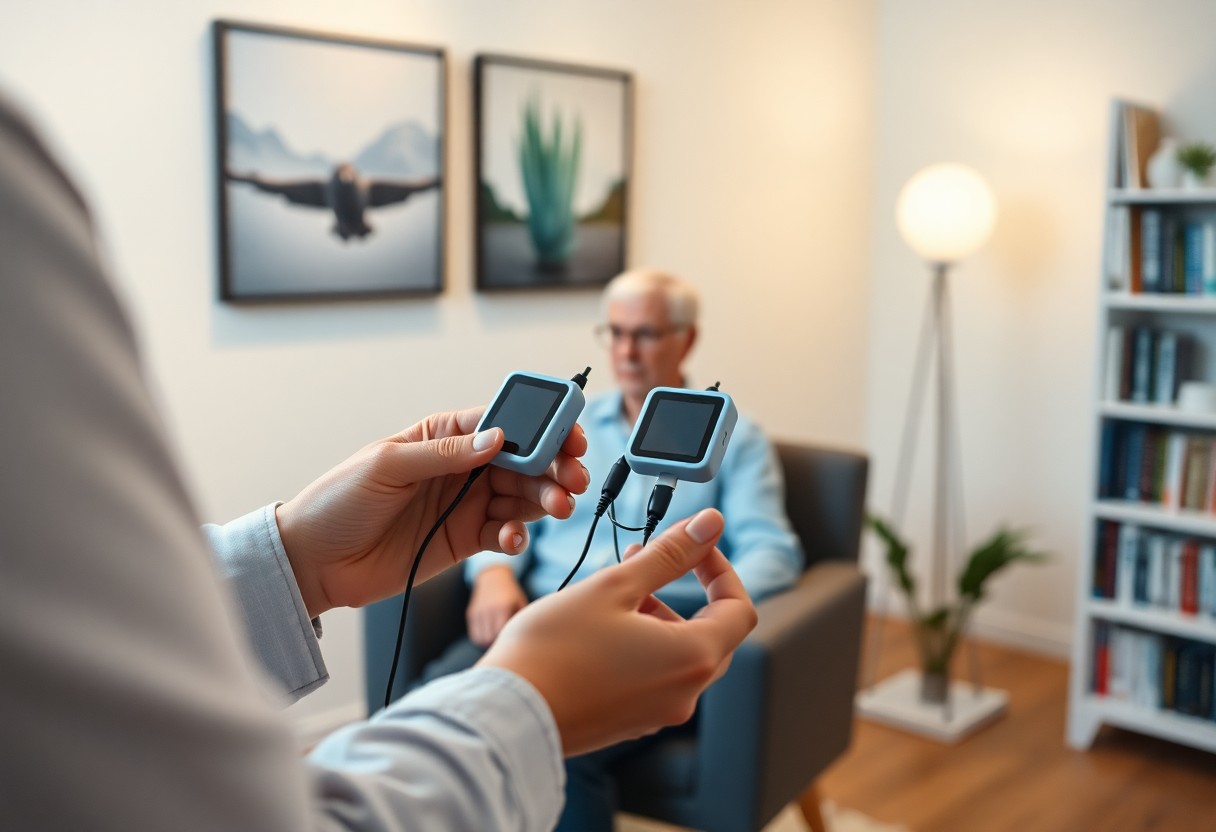
How EMDR Therapy Can Help with Trauma

Many people struggle with the lingering effects of traumatic experiences, often feeling overwhelmed by memories that intrude on daily life. EMDR (Eye Movement Desensitization and Reprocessing) therapy offers a structured approach to process and alleviate these distressing memories. You can learn how this evidence-based therapy facilitates healing by helping your brain reprocess traumatic events, ultimately enabling you to regain control and enhance your emotional well-being.

Understanding Trauma

Trauma manifests in various forms, often stemming from experiences that overwhelm your ability to cope. It may arise from personal experiences, such as abuse, accidents, or natural disasters, as well as collective events like war or societal violence. Understanding the nature of trauma is vital for recognizing its impact on your life and the therapeutic path forward.

Definition of Trauma

Trauma is an emotional response to a distressing event that can leave lasting imprints on your psyche. This can include any event that disrupts your sense of safety, causing feelings of helplessness and fear. The severity of trauma can vary widely based on individual experiences and resilience.

Effects of Trauma on Mental Health

Trauma can significantly alter your mental health, potentially leading to conditions like PTSD, anxiety, and depression. The brain may struggle to process or integrate traumatic memories, resulting in flashbacks, emotional numbness, or hypervigilance. These symptoms not only affect daily functioning but can also disrupt relationships and overall well-being.

Long-term effects of trauma can manifest as chronic anxiety, persistent mood swings, or difficulty forming secure relationships. You may find yourself avoiding reminders of the event, isolating from loved ones, or experiencing heightened stress responses in seemingly safe situations. The cumulative emotional toll can hinder your personal and professional life, making it crucial to seek support and explore therapeutic options like EMDR, which specifically target these ingrained reactions and promote healing.

What is EMDR Therapy?

EMDR Therapy, or Eye Movement Desensitization and Reprocessing, is a psychotherapy technique designed to alleviate distress associated with traumatic memories. Utilizing bilateral stimulation, EMDR helps reprocess these memories, enabling you to integrate them more effectively. This method allows for a reduction in the emotional charge linked to traumatic events, facilitating healing and promoting emotional well-being.

History and Development

EMDR was developed in the late 1980s by Francine Shapiro, initially targeting veterans suffering from PTSD. Its unique approach combined elements of cognitive-behavioral therapy with the use of eye movements, leading to significant improvements in patients’ experiences. Over the decades, extensive research has validated its effectiveness, resulting in widespread acceptance within the mental health community.

Key Principles of EMDR

The therapy is based on the Adaptive Information Processing model, which posits that unprocessed traumatic memories can lead to psychological distress. EMDR focuses on facilitating the processing of these memories through structured protocols, integrating sensory input while you target specific memories to alleviate emotional distress. This dual attention helps you to reframe negative beliefs associated with trauma.

As EMDR progresses, sessions typically include eight phases: history taking, preparation, assessment, desensitization, installation, body scan, closure, and reevaluation. Each phase is designed to ensure safety and comfort while addressing traumatic memories directly. For instance, during desensitization, you engage in bilateral stimulation while recalling a distressing memory, which aids in reducing the vividness and emotional intensity of that memory over time. This transformative approach allows you to reclaim control and foster resilience in your mental health journey.

The EMDR Process

The EMDR process consists of eight phases designed to address and reprocess traumatic memories. This structured approach begins with client history-taking and preparation, followed by the assessment of specific targets, desensitization, installation of positive beliefs, body scanning, closure, and reevaluation in subsequent sessions. Throughout this process, you will engage in bilateral stimulation, typically through guided eye movements, while focusing on distressing memories, enabling your brain to process these experiences effectively.

Stages of EMDR Therapy

EMDR therapy involves eight distinct stages: client history and treatment planning, preparation, assessment, desensitization, installation, body scan, closure, and reevaluation. Each stage builds upon the last, ensuring a comprehensive approach to addressing your trauma while promoting emotional healing and resilience. Progress through these stages helps you safely confront and process distressing memories, leading to reduced symptoms and enhanced well-being.

Role of the Therapist

Your therapist plays a vital role in the EMDR process, serving as a guide and support system throughout your journey. They will establish a safe environment, help you identify specific memories to target, and facilitate the bilateral stimulation necessary for reprocessing traumatic experiences.

The therapist’s expertise is vital for navigating the complexities of trauma. Training in EMDR techniques equips them to create tailored treatment plans that address your unique needs and ensure a supportive atmosphere. They will also provide coping strategies and emotional regulation skills, empowering you to manage any distress that surfaces during sessions. Continuous assessment of your progress allows the therapist to adjust the approach as needed, fostering an optimal healing environment and promoting lasting change.

Benefits of EMDR Therapy for Trauma

EMDR therapy offers numerous benefits for individuals dealing with trauma, primarily due to its structured approach that facilitates the processing of distressing memories. You may experience a reduction in symptoms such as anxiety, flashbacks, and negative thoughts. The therapy promotes adaptive coping strategies, enabling you to regain control over your emotions and responses. By addressing the root causes of your trauma, EMDR can pave the way for improved mental health and overall functioning.

Efficacy in Treating PTSD

Research consistently shows that EMDR therapy is effective in treating post-traumatic stress disorder (PTSD). Studies indicate that about 77% of individuals with PTSD experience a significant reduction in symptoms after completing EMDR sessions. You may find that distressing memories become less intrusive, allowing you to live more freely without being haunted by the past. This evidence-based approach empowers you to confront trauma in a safe environment, fostering healing and resilience.

Improvement of Overall Well-being

Throughout the EMDR process, your overall well-being can see marked improvement. Many report enhanced emotional regulation, better relationships, and a newfound sense of self-worth. The therapy helps you not only address trauma but also develop healthier coping mechanisms that positively influence your daily life. As negative beliefs fade, you may discover a more optimistic outlook, greater self-acceptance, and an increased ability to enjoy life, fostering a path toward holistic healing.

Common Misconceptions about EMDR

Misunderstandings about EMDR therapy can prevent individuals from seeking this effective treatment for trauma. Many people mistakenly believe that EMDR is a quick fix or that it is simply hypnosis. Others might think the therapy requires patients to relive their trauma in distressing detail. Addressing these misconceptions is vital for helping potential clients feel more comfortable exploring EMDR as an option for healing.

Myths vs. Facts

A common myth is that EMDR is only for those with severe trauma. In reality, it can benefit anyone struggling with distressing memories, regardless of the trauma’s severity. Another misconception is that EMDR sessions are solely about discussing traumatic events. In fact, the process involves the use of bilateral stimulation, which enables the brain to process memories in a more adaptive way, minimizing distress.

Addressing Skepticism

Skepticism around EMDR often stems from its innovative approach and the unique techniques involved. Some individuals might question its scientific backing or effectiveness compared to traditional therapies. Research has shown that EMDR therapy is grounded in proven psychological principles, with studies indicating a significant reduction in PTSD symptoms for most clients after completing the treatment. Notably, the American Psychiatric Association recognizes EMDR as an effective treatment for trauma, reflecting its credibility in clinical settings.

Finding a Qualified EMDR Therapist

Identifying a qualified EMDR therapist is imperative for effective treatment. Look for professionals who specialize in trauma and have received specific training in EMDR. You may want to check online directories, ask for recommendations from trusted sources, or consult local mental health organizations to find reputable therapists in your area. Ensuring that your therapist has the right credentials can enhance your chances of a successful therapeutic experience.

Credentials and Training

Verify that your potential EMDR therapist has the appropriate credentials, such as a licensed mental health professional, psychologist, or counselor. Additionally, they should be certified in EMDR through recognized organizations like the EMDR International Association (EMDRIA). This certification indicates that they have completed the necessary training and supervision to effectively administer EMDR therapy, ensuring you receive expert care.

Questions to Ask Potential Therapists

Engaging potential therapists in conversation can help you determine their suitability for your needs. Inquire about their experience with EMDR, the number of sessions they typically recommend, and their approach to handling trauma. You might also ask about their success rates and how they tailor sessions to individual clients, ensuring you feel comfortable and understood during your healing journey.

Consider asking how they address specific concerns related to trauma and what strategies they utilize during sessions. It’s beneficial to know about their familiarity with different types of trauma and how they measure progress throughout therapy. Assess whether they create a safe and supportive atmosphere for you, as this will be fundamental to your healing process. A good therapist will not only answer your questions but will also encourage open communication and foster a collaborative relationship.

To wrap up

Taking this into account, EMDR therapy offers a structured approach to processing traumatic memories, helping you transform distress into empowerment. By engaging both sides of your brain through bilateral stimulation, you can reduce the emotional intensity of your trauma and enhance your ability to cope. This therapy fosters healing by allowing you to reframe your experiences and integrate them into your life more effectively. As you progress, you may find increased resilience and improved mental well-being, underscoring the transformative potential of EMDR therapy in your journey towards recovery.

Categories
Expertise

Malingering vs. Genuine Psychological Distress

Just because someone presents symptoms of psychological distress doesn’t mean they aren’t valid; however, distinguishing between malingering and genuine distress is vital for effective treatment and support. You may encounter situations in which individuals exaggerate or fabricate symptoms for personal gain, creating challenges for mental health professionals. This blog post will guide you through the key differences, helping you understand the underlying motivations and implications of these behaviors, ultimately leading to better outcomes for those truly in need of help.

Understanding Malingering

Malingering presents a complex challenge in the assessment of psychological distress. Recognizing the signs of malingering requires an understanding of the behavioral patterns and distinct characteristics that set it apart from genuine psychological issues. Elevated self-presentation strategies, inconsistent symptom reporting, and transparent actions driven by external incentives often characterize individuals who engage in malingering. You can identify these through careful observation during evaluations or therapy sessions.

Definition and Characteristics

Malingering is defined as the intentional fabrication or exaggeration of psychological symptoms, typically motivated by external gain. Key characteristics include inconsistent accounts of symptoms, refusal to cooperate with evaluation, and the demonstration of atypical behavior not aligned with genuine psychological conditions. Such behaviors can often be detected through clinical interviews and standardized assessment tools.

Common Motivations

Motivations for malingering often revolve around obtaining financial benefits, avoiding responsibilities, or seeking sympathy and support. You might encounter cases where individuals feign mental health issues to receive disability payments, avoid military service, or defer criminal charges. Understanding these motivations is crucial to deciphering genuine distress from manipulative behavior.

In instances where individuals seek financial gain, the prevalence of malingering can be noteworthy. For example, studies suggest that up to 20% of individuals undergoing psychological evaluations for insurance claims may engage in some form of malingering. Additionally, some may desire to escape work obligations or punitive situations, finding that symptoms of distress provide a convenient avenue for avoidance. This understanding is vital in both clinical settings and legal situations, as the consequences of misidentifying such behavior can profoundly impact treatment plans and legal outcomes.

Identifying Genuine Psychological Distress

Definition and Symptoms

Genuine psychological distress manifests through emotional and physical symptoms that severely disrupt your functioning. These may include persistent sadness, anxiety, irritability, fatigue, difficulty concentrating, and various somatic complaints. Symptoms often create a genuine sense of suffering, may persist over time, and typically arise in response to identifiable stressors or traumatic events. Recognizing that these symptoms are not “fake” is vital to understanding the complexity of your mental health experience.

Assessment Techniques

Thorough assessment techniques for genuine psychological distress involve structured interviews, self-report questionnaires, and clinical observations. Utilizing standardized tools, such as the Beck Depression Inventory or the Generalized Anxiety Disorder 7-item scale, can provide quantifiable insights into your mental state. Additionally, a thorough clinical interview helps uncover the context of symptoms, patterns of behavior, and coping mechanisms that may be at play.

Standardized assessments often yield objective data on your mental health status, while open-ended questions during clinical interviews allow for deeper exploration of your experiences. For example, adapting the DSM-5 criteria enables clinicians to assess specific disorders while considering your unique circumstances and symptoms. Collaborative discussions can reveal nuances often overlooked, ensuring a comprehensive understanding of your psychological distress rather than relying solely on surface-level symptomatology.

Key Differences Between Malingering and Genuine Distress

Distinguishing between malingering and genuine psychological distress involves careful observation of symptoms and behaviors. Genuine distress often presents a coherent narrative of emotional pain, accompanied by varying intensity of symptoms over time, while malingering may display inconsistencies in symptom reporting and exaggerated claims. Authentic experiences typically align with clinical assessment and life stressors, whereas purposeful deception often lacks continuity or verifiable triggers.

Behavioral Indicators

Behavioral indicators frequently reveal underlying motives. Individuals experiencing genuine distress might exhibit withdrawal from social activities, difficulty maintaining relationships, or changes in work performance. Conversely, those malingering may display pronounced theatricality, inconsistencies in their accounts of symptoms, or overly elaborate stories that appear crafted to elicit sympathy or advantages, making their motives more transparent.

Psychological Evaluation

A comprehensive psychological evaluation plays a pivotal role in differentiating these two states. This assessment incorporates standardized tests, clinical interviews, and collateral information. Evaluators look for symptom validity, consistency across different contexts, and any discrepancies in reported experiences. Instruments designed to measure response styles can help discern between genuine and fabricated distress, providing critical insights into the underlying psychological condition.

During the psychological evaluation, standardized tools such as the Minnesota Multiphasic Personality Inventory (MMPI) can be utilized to assess symptom authenticity and potential malingering. Clinicians might also engage in structured interviews to explore the history of symptoms and life events. Analyzing behavioral responses to questions and examining patterns within responses allows you to identify incongruities indicative of malingering, reinforcing the importance of a thorough and empathetic approach during assessment procedures.

Case Studies and Examples

Exploring real-life situations offers valuable insight into the distinctions between malingering and genuine psychological distress. Case studies illustrate varied outcomes based on the individual’s circumstances, behaviors, and responses to interventions. These examples will assist you in developing a deeper understanding of the nuances involved in assessing psychological conditions.

  • Case 1: 35-year-old male presenting with exaggerated PTSD symptoms after a workplace accident; medical evaluation showed no corresponding injuries.
  • Case 2: 28-year-old female seeking disability benefits, whose self-reported anxiety levels were inconsistent with observations during clinical interviews.
  • Case 3: 45-year-old veteran diagnosed with severe depression and genuine distress scores on standardized assessments converging with reports from family.
  • Case 4: 22-year-old college student displaying signs of genuine distress due to academic pressure, evidenced by significant changes in behavior and sleep patterns.

Malingering Scenarios

Malingering often involves individuals intentionally misrepresenting or exaggerating symptoms to achieve a specific benefit, such as financial gain or evading responsibilities. In one scenario, a 30-year-old man fabricated chronic pain claims to avoid work, leading to investigations that revealed discrepancies in his symptom reporting during physical examinations.

Cases of Genuine Distress

Genuine distress cases reflect intense emotional or psychological pain that disrupts daily functioning. For instance, a young mother who developed severe postpartum depression required hospitalization after her symptoms escalated, highlighting the debilitating nature of her condition.

Each case of genuine distress showcases how emotional turmoil can lead to significant impairments in daily life. Clinical assessments often reveal established patterns of behavior and consistent testimony from close contacts. For example, one patient exhibited physical symptoms like fatigue and lack of appetite alongside mental health assessments showing scores indicative of severe anxiety, underscoring the real challenges faced by those genuinely affected by psychological issues. This distinction is crucial in providing appropriate support and intervention for individuals in need.

Implications for Treatment and Intervention

Understanding the distinction between malingering and genuine psychological distress directly impacts treatment strategies. Tailoring interventions based on accurate identification ensures that resources are utilized effectively, fostering therapeutic alliances with genuine patients while simultaneously addressing potential manipulative behaviors in those who may not be seeking help authentically.

Approaches for Malingering

For individuals suspected of malingering, assessments often include structured interviews and psychological testing. Approaches may consist of cognitive-behavioral strategies aimed at addressing underlying motivations, such as avoidance or secondary gain. Establishing a clear understanding of their motivations helps in redirecting focus to more adaptive behaviors.

Supporting Individuals with Genuine Distress

Effective support for individuals experiencing genuine psychological distress requires a compassionate and individualized approach. Establishing trust is vital, as is providing evidence-based therapies tailored to their specific needs, such as cognitive-behavioral therapy or trauma-informed care. Monitoring progress through regular assessments and adjusting interventions accordingly enhances the likelihood of successful outcomes.

Creating a safe environment helps individuals with genuine distress openly express their feelings and concerns. Engaging in active listening and validating their experiences fosters a sense of acceptance. Consideration of social determinants such as poverty and access to care is necessary, as these factors significantly influence their mental health journey. Encouraging participation in support groups or community resources can further provide a sense of belonging and normalization of their experiences, paving the way for recovery.

Ethical Considerations in Diagnosis

Ethical considerations in diagnosing psychological conditions require a delicate balance between empathy and accuracy. Misdiagnosis can lead to inappropriate treatments, exacerbating a patient’s suffering and prolonging their distress. Practitioners must prioritize informed consent and confidentiality while also ensuring that the evaluation process remains unbiased and objective to avoid stigmatization of genuine distress sufferers.

Challenges for Practitioners

You face numerous challenges in distinguishing malingering from genuine psychological distress. The complexity of symptoms can overlap significantly, creating ambiguity and uncertainty in diagnosis. Additionally, high-stakes legal or financial situations may pressure some patients to fabricate symptoms, complicating your assessment efforts. Maintaining an objective and neutral stance throughout the evaluation is paramount, yet it often demands significant skill and experience.

Ensuring Accurate Assessment

Accurate assessment hinges on various strategies that incorporate clinical interviews, standardized testing, and collateral information. Utilizing multiple assessment tools allows you to triangulate data, enhancing your diagnostic clarity. Cultural considerations and individual patient history are imperative in making informed judgments about symptoms and their origins. By fostering open communication, you can encourage honesty from patients, increasing the likelihood of an accurate evaluation.

In ensuring accurate assessment, integrating comprehensive clinical interviews and standardized psychological tests is imperative. For example, the Minnesota Multiphasic Personality Inventory (MMPI) enables you to identify patterns consistent with either malingering or authentic distress. Additionally, maintaining communication with other healthcare providers who may have insight into the patient’s history provides a fuller context. Consideration of cultural background influences symptom expression and interpretation, allowing you to tailor your approach accordingly. Thus, employing a multi-faceted assessment strategy not only heightens diagnostic accuracy but also promotes a supportive environment that fosters patient honesty and openness.

Final Words

Drawing together the complexities of malingering and genuine psychological distress, you must discern the subtle differences between feigned symptoms for secondary gain and authentic experiences of mental health challenges. Understanding these distinctions can significantly impact your approach to treatment and support. By fostering empathy and awareness, you can better navigate the nuanced landscape of psychological wellbeing, ensuring that both those who suffer genuinely and those who may be exaggerating their symptoms receive appropriate attention and care.

Categories
Expertise

The Importance of Culturally Sensitive Psychological Assessments

Just as you would seek tailored solutions for your health, culturally sensitive psychological assessments are vital for understanding mental health in a diverse society. These evaluations take into account your cultural background, beliefs, and values, ensuring that the insights gained are relevant and accurate. By embracing cultural nuances, you can foster more effective communication with your mental health professional and contribute to better treatment outcomes. Understanding the importance of these assessments not only enhances your mental well-being but also promotes equity in psychological practices.

Understanding Cultural Sensitivity

Cultural sensitivity recognizes that individual experiences and perspectives are shaped by one’s cultural background. In psychological assessments, this understanding allows for a deeper comprehension of client behaviors, values, and communication styles. Culturally sensitive practices promote empathy and reduce biases, ensuring that assessments are relevant and respectful of diverse client experiences.

Definition of Cultural Sensitivity

Cultural sensitivity refers to the awareness and appreciation of the differences in cultural backgrounds, beliefs, and practices that individuals bring to the therapeutic process. It involves being responsive to these factors and adapting assessment techniques to align with the client’s cultural context, which contributes to more effective communication and rapport between client and assessor.

Importance in Psychological Assessments

Incorporating cultural sensitivity in psychological assessments enhances the validity and reliability of the results. Assessors who understand cultural nuances can better interpret behaviors and responses, tailoring their approaches to suit the unique needs of clients. This leads to more accurate diagnoses and treatment plans, ultimately fostering a greater sense of trust and connection in the therapeutic relationship.

Research shows that assessments lacking cultural sensitivity can lead to misdiagnoses and ineffective treatment strategies. For example, standardized tests may not account for cultural expressions of distress or communication styles, potentially skewing results. By integrating cultural considerations into assessments, you not only promote fairness but also ensure that interventions are relevant and beneficial to clients from diverse backgrounds. This level of precision in understanding a person’s context allows you to create a more engaged, collaborative therapeutic environment.

The Role of Culture in Psychological Testing

Culture plays a pivotal role in shaping individuals’ perceptions, behaviors, and responses in psychological assessments. Understanding cultural contexts allows you to interpret results accurately and ensures that testing tools address the specific needs and values of diverse populations. Without this knowledge, assessments may misrepresent individuals’ psychological states and lead to inappropriate conclusions or interventions.

Cultural Norms and Psychological Constructs

Cultural norms significantly influence psychological constructs, such as values, beliefs, and behaviors. These constructs are often rooted in cultural backgrounds, shaping how you express emotions or cope with stress. Variance in these norms can alter the meaning of symptoms or behaviors measured in standardized tests, necessitating a careful consideration of cultural contexts to avoid misinterpretation.

Impact of Cultural Bias on Assessment Outcomes

Cultural bias can distort assessment outcomes, leading to inaccurate diagnoses and ineffective treatments. Instruments designed with a predominantly Western perspective may not align with the experiences of individuals from other cultures, resulting in over-pathologizing or misunderstanding their psychological needs. These biases can perpetuate systemic inequalities in mental health care.

For example, a study revealed that non-Western clients often scored higher on anxiety measures due to cultural expressions of distress that differ from Western norms. This skewed data can lead to excessive diagnoses of anxiety disorders among these populations, overshadowing cultural expressions that should not be pathologized. Ensuring culturally sensitive assessments helps unveil true psychological conditions while fostering trust and rapport within diverse client groups. Tailoring assessments to align with specific cultural frameworks permits a clearer understanding of your psychological profile and more effective interventions.

Best Practices for Culturally Sensitive Assessments

Implementing best practices in culturally sensitive assessments enhances accuracy and effectiveness. Tailoring your approach to respect and reflect cultural diversity not only enriches the assessment process but also fosters trust between you and your clients. Engaging in continuous learning and adaptation of techniques ensures assessments are relevant and respectful to individual’s backgrounds and experiences.

Training for Psychologists

Engaging in comprehensive training on cultural competence is vital. You should seek workshops, courses, and internship opportunities that emphasize cultural awareness, enabling you to understand and navigate the unique challenges faced by diverse populations in psychological assessments.

Utilizing Culturally Appropriate Tools

Utilizing culturally appropriate assessment tools effectively addresses the unique needs of diverse populations. Selecting instruments that have been validated across different cultural contexts ensures that your evaluations yield reliable and valid results, reflecting the varied experiences and values of your clients.

Opt for assessment tools that have undergone rigorous testing for cultural relevance, such as the Cultural Formulation Interview (CFI) or the Multicultural Personality Questionnaire. These tools not only reflect the cultural nuances but also enhance engagement with clients. Familiarizing yourself with local cultural issues, language nuances, and community-specific challenges further strengthens the assessments you provide, setting a foundation for successful therapeutic outcomes. Additionally, consider collaborating with cultural consultants to ensure your methodologies are respectfully aligned with the communities you serve.

Case Studies: Success through Culturally Sensitive Approaches

Culturally sensitive psychological assessments have demonstrated tangible benefits in a range of diverse populations, delivering critical insights that promote effective interventions. The following case studies illustrate the significant impact of employing culturally tailored assessment methods.

  • Study 1: Latino adolescents showed a 40% improvement in treatment compliance when assessments were conducted in their native language.
  • Study 2: African American clients reported a 35% reduction in anxiety symptoms when culturally relevant frameworks were incorporated in evaluations.
  • Study 3: Indigenous populations experienced a 50% increase in therapeutic rapport when assessments included community input and traditional practices.
  • Study 4: Asian American children demonstrated a 30% improvement in self-esteem when culturally adapted instruments were utilized in schools.

Examples from Diverse Populations

In studies involving Latino adolescents, assessments tailored to their cultural background resulted in higher engagement rates. In a specific case, a bilingual assessment tool not only improved understanding but also fostered a stronger connection with the therapists. Similarly, assessments for Indigenous groups integrating community narratives led to better mental health outcomes due to enhanced relevance and resonance.

Lessons Learned and Best Outcomes

Insights gained from these case studies reveal the profound impact of culturally sensitive assessments on treatment effectiveness. Understanding and respecting cultural nuances allow practitioners to create bespoke evaluations that resonate more deeply with clients. The data indicates that incorporating cultural relevance enhances trust, leading to more effective therapeutic relationships.

Through these experiences, you can see a clear pattern: assessments that honor cultural intricacies lead to noticeably better results. When psychological evaluations align with clients’ cultural values and practices, you enhance not only the assessment’s accuracy but also the overall therapeutic outcomes. By adopting such approaches, practitioners foster environments where clients feel safe and understood, resulting in substantial improvements in mental health and well-being across diverse populations. This emphasizes the necessity of ongoing education and adaptation to cultural contexts within psychological practice.

Challenges in Implementing Culturally Sensitive Assessments

Implementing culturally sensitive assessments is not without its challenges. These obstacles manifest in various ways, hindering accurate and effective psychological evaluations across diverse populations. Addressing these challenges requires a multifaceted approach that acknowledges the unique needs of each cultural group while also navigating systemic limitations within the broader healthcare context.

Systemic Barriers

Systemic barriers often impede the implementation of culturally sensitive assessments. These include inadequate training for practitioners in cultural competence, lack of resources for culturally relevant materials, and institutional policies that overlook the nuances of diverse populations. Such limitations can render assessments ineffective and reinforce existing disparities in mental health outcomes.

Misconceptions and Resistance

Misconceptions and resistance from practitioners can significantly hinder the adoption of culturally sensitive assessments. Some professionals may perceive these practices as unnecessary adjustments to established methods rather than important enhancements. This skepticism can lead to reluctance in embracing new techniques, ultimately affecting the quality of care provided to diverse clientele.

These misconceptions often stem from a lack of awareness about the unique psychological needs of various cultural groups. Practitioners may mistakenly believe that standardized assessment tools are universally applicable, neglecting the fact that cultural factors can deeply influence an individual’s responses and behavior. Overcoming this resistance requires education and training that highlights the importance of understanding cultural contexts, encouraging practitioners to view culturally sensitive assessments as an integral part of comprehensive care rather than an optional add-on.

Future Directions in Psychological Assessment

Future advancements in psychological assessment will heavily emphasize the integration of cultural sensitivity into testing protocols. Innovative tools and methodologies are being developed to better reflect diverse perspectives, ensuring that assessments resonate accurately with individuals from varied backgrounds. These shifts prioritize a nuanced understanding of cultural contexts, leading to more effective and relevant psychological evaluations.

Innovations in Cultural Competence

Emerging technologies can enhance cultural competence in psychological assessments, including artificial intelligence that adapts tests based on cultural factors. These innovations allow for real-time adjustments, ensuring that psychological evaluations maintain relevance across different populations. Such adaptability is crucial in reflecting the diverse experiences of individuals.

Expanding Research and Resources

Investment in research focused on culturally sensitive assessment methodologies is lacking, yet crucial for future developments. Expanding resources, such as databases of validated tests in multiple languages and cultural contexts, will enable mental health professionals to provide more accurate diagnoses and tailored interventions.

Research initiatives must prioritize the creation of guidelines that address cultural biases in existing tests. Funding for studies that explore the efficacy of culturally adapted assessments will shed light on previously overlooked areas. Collaborative efforts between psychologists, ethnographers, and community leaders may yield innovative resources and tools that ensure psychological evaluations consider the full spectrum of cultural influences. By fostering partnerships and interdisciplinary approaches, you can facilitate a broader understanding of mental health that truly reflects the diversity of human experience.

To wrap up

Following this, you should recognize that culturally sensitive psychological assessments are vital for providing accurate evaluations that respect and understand individual backgrounds. By incorporating cultural factors into your assessments, you enhance the validity of the results and ensure that interventions are tailored to meet the needs of diverse populations. This approach not only builds trust between you and your clients but also improves mental health outcomes by acknowledging and validating their unique experiences.

Categories
Expertise

The Value of Multilingual Psychological Assessments

It’s vital to understand the significance of multilingual psychological assessments in today’s diverse society. By providing evaluations in multiple languages, you ensure that individuals from various linguistic backgrounds receive accurate and relevant insights into their mental health. This approach not only enhances comprehension but also fosters trust between clients and practitioners. As you explore this topic, consider how embracing multilingual assessments can lead to more effective therapeutic outcomes and promote inclusivity in mental health services.

Understanding Multilingual Psychological Assessments

Multilingual psychological assessments encompass a range of methodologies tailored to evaluate individuals proficient in more than one language. These assessments consider cultural nuances and linguistic variables that can influence psychological evaluation outcomes, ensuring that the instruments used are appropriate and valid in diverse contexts. Your understanding of these assessments is imperative for delivering accurate psychological insights, particularly in multicultural societies.

Definition and Importance

Multilingual psychological assessments refer to evaluation tools designed to accurately measure psychological constructs across different languages. Their importance lies in promoting equitable access to mental health services, allowing practitioners to gain insights into clients’ mental health irrespective of their linguistic background. This inclusivity directly affects treatment efficacy and client trust in the therapeutic process.

Challenges in Assessment

Conducting multilingual psychological assessments presents various challenges, such as language discrepancies, cultural interpretations, and potential biases. Language barriers not only affect the clarity and accuracy of responses but also complicate the meaning of psychological constructs that may vary across cultures. These hurdles necessitate ongoing adaptation and development of assessment tools that can accurately reflect the psychological realities of multilingual individuals.

Specific challenges include the lack of universally validated tests in multiple languages, which can lead to misleading results. Variations in dialects or cultural context may alter the interpretation of questions and responses, causing potential misdiagnoses. Moreover, practitioners must navigate the complexities of semantics; terms that hold significant meaning in one language may lose context or nuance in another. For example, emotional expressions might manifest differently across cultures, complicating the assessment of affective disorders. As a result, ensuring the validity and reliability of assessments in multilingual contexts requires continual research and adaptation of practices to meet the needs of diverse populations.

Benefits of Multilingual Assessments

Multilingual assessments provide a host of benefits that enhance your understanding of individuals from diverse backgrounds. These assessments facilitate accurate interpretations, allowing you to connect with clients in their preferred language, which significantly improves the quality of psychological evaluations. Additionally, employing multilingual tools helps to ensure that critical nuances in communication are not lost, ultimately leading to better diagnosis and treatment strategies tailored to meet individual needs.

Cultural Sensitivity

Cultural sensitivity in assessments acknowledges and respects the diverse values, beliefs, and practices of individuals. By utilizing multilingual assessments, you create a more welcoming environment, fostering trust and openness. This approach allows you to engage effectively with clients, ensuring their cultural context is considered during the assessment process, which is vital for accuracy and relevance in the interpretation of results.

Enhanced Accuracy and Validity

The use of multilingual assessments significantly enhances the accuracy and validity of psychological evaluations. When you assess individuals in their native language, it minimizes misunderstandings and misinterpretations that may arise from language barriers. This leads to improved responses during testing, ensuring that the psychological constructs being measured are appropriately captured, resulting in more reliable data for informed decision-making.

Enhanced accuracy and validity stem from multiple factors, including the ability to ask nuanced questions that resonate with the client’s cultural and linguistic background. For instance, a study highlighted that bilingual individuals performed better on assessments conducted in their first language compared to assessments in a second language, which could skew results. Multilingual assessments not only refine the data collection process but also align better with the client’s cognitive and emotional frameworks, ultimately supporting more effective interventions and positive outcomes in therapy.

Methodologies in Multilingual Psychological Assessments

Multilingual psychological assessments utilize specific methodologies to ensure accurate evaluation across diverse linguistic backgrounds. Standardized testing measures must be culturally relevant and contextually appropriate, allowing clinicians to gather reliable data that reflects an individual’s cognitive and emotional state. Employing consistent methodologies helps mitigate biases and enhances the validity of the assessment findings.

Translation and Adaptation of Tests

Translation and adaptation of tests involve not only linguistic conversion but also cultural modification. You need to ensure that the assessment tools maintain their reliability and validity when adapted for different languages. This process often includes rigorous review by bilingual experts and pilot testing with target populations to identify any potential issues in comprehension or cultural relevance.

Bilingual Assessors and Their Role

Bilingual assessors play a vital role in multilingual psychological assessments. Your understanding of each participant’s language and cultural context fosters a more accurate interpretation of results. This involvement is particularly crucial when subjects navigate complex emotional and psychological concepts that may not translate directly across languages.

Bilingual assessors not only facilitate communication but also interpret subtle cues that might otherwise be overlooked. Your familiarity with cultural nuances allows you to ask relevant follow-up questions that deepen insight into the subject’s responses. During assessments, having a bilingual professional present can significantly reduce anxiety for clients, which helps elicit more authentic responses, ultimately enhancing the assessment’s accuracy and effectiveness. Moreover, research shows that bilingual assessors can identify discrepancies in responses that might signify deeper issues related to language proficiency or cultural barriers, allowing for tailored interventions.

Case Studies and Real-World Applications

Real-world applications of multilingual psychological assessments demonstrate their profound impact across various populations. Organizations that implement these assessments often see significant improvements in diagnostic accuracy and client outcomes.

  • Case Study 1: A mental health clinic in California utilized multilingual assessments for 200 Hispanic clients, resulting in a 30% increase in treatment adherence.
  • Case Study 2: An educational program in New York City employed bilingual evaluations for 150 students, leading to a 25% improvement in academic performance post-intervention.
  • Case Study 3: A refugee support group administered multilingual screenings to 100 individuals, achieving a 40% reduction in mental health symptoms within six months.

Successful Implementation in Diverse Populations

Successful implementation of multilingual psychological assessments has been evident in varied settings. For instance, community health centers have effectively used these assessments to tailor interventions for different cultural groups, ultimately enhancing patients’ engagement and satisfaction with services.

Lessons Learned and Best Practices

Insights gained from multilingual assessments emphasize the importance of cultural competence and continuous feedback mechanisms in tailoring tools and reporting results effectively. Training for assessors on cultural nuances is crucial for accurate interpretation and understanding.

In practice, collecting qualitative feedback from subjects who undergo assessments has proven invaluable. Adapting assessment tools based on participant experiences ensures relevance and efficacy, while ongoing training for practitioners confirms their ability to address specific cultural contexts. Regularly updating materials and engagement strategies enhances trust and rapport with diverse populations, ultimately fostering better clinical outcomes. Analyses of assessment data allow for targeted interventions, continually refining approaches to meet the needs of varying groups effectively.

Ethical Considerations

Multilingual psychological assessments require a strong focus on ethical standards to ensure the well-being of clients. You must navigate the complexities of diverse cultural backgrounds, which can significantly influence assessment outcomes. Adhering to ethical guidelines helps prevent harm and enhances the effectiveness of your practice when working with clients from varied linguistic and cultural contexts.

Informed Consent and Confidentiality

Informed consent is fundamental in multilingual assessments, ensuring that clients fully understand the process in their preferred language. Your responsibility extends to safeguarding confidentiality, which can be challenging when translating sensitive information. Clients must feel secure that their data remains private, bolstering trust in the therapeutic relationship.

Addressing Bias and Misinterpretation

Addressing bias in multilingual assessments requires constant awareness of your own cultural assumptions and potential misinterpretations of clients’ responses. Contextual factors, such as cultural norms and values, often shape the way individuals express themselves. Failing to account for these nuances can lead to inaccurate conclusions about a client’s mental state or needs.

Consider a case where an individual from a collectivist culture may prioritize family well-being over personal aspirations, leading to seemingly ambiguous responses in assessments focused on personal achievement. You might misinterpret their priorities if you apply a more individualistic lens. Utilizing culturally relevant norms and adapting your interpretation strategies will mitigate biases, fostering more accurate assessments. Regular training and peer reviews can also help identify blind spots in your approach, enhancing the reliability of your evaluations.

Future Directions in Multilingual Assessments

Emerging trends in multilingual assessments signal an exciting future where personalized and culturally relevant testing becomes the norm. Innovative methodologies are being developed to ensure that assessments are not only linguistically accurate but also account for cultural nuances. As awareness of the benefits of these assessments grows, the demand for improved practices and tools will shape the evolution of this field.

Advances in Technology and Research

Technological advancements enhance the effectiveness of multilingual psychological assessments. Artificial intelligence and machine learning algorithms help in developing adaptive tests that adjust to the respondent’s language proficiency. Research initiatives are also yielding new insights into culturally sensitive testing, ensuring better measures of psychological constructs in diverse populations.

Advocacy for Inclusive Practices

Advocacy plays a pivotal role in promoting inclusive practices within multilingual assessments. By highlighting the importance of access to culturally relevant evaluations, organizations can push for systemic changes that prioritize diverse linguistic backgrounds in psychological testing. These efforts contribute to dismantling barriers that marginalized communities face, fostering a more equitable approach to mental health care.

Organizations and professionals that advocate for inclusive practices can implement training programs aimed at enhancing cultural competence among evaluators. By developing guidelines that emphasize the significance of language and culture in assessments, you will promote awareness and encourage practitioners to adopt measures that reflect the diversity of their clients. Successful models, such as community engagement initiatives, showcase how inclusive practices yield improved outcomes for individuals from various backgrounds. Your active involvement in shaping these practices can create a more just landscape in the field of psychological assessment.

Final Words

Taking this into account, you recognize that multilingual psychological assessments are important for accurately understanding and evaluating individuals from diverse linguistic backgrounds. These assessments help you uncover the true cognitive and emotional states of clients, ensuring that cultural nuances are respected and addressed. By embracing multilingual approaches, you enhance your practice, foster better communication, and ultimately improve therapeutic outcomes, making your work more effective and inclusive.

Categories
Expertise

What is an ADOS-2 Assessment?

It’s vital to understand the ADOS-2 assessment, a standardized tool designed to evaluate individuals for autism spectrum disorders. You will find that this assessment focuses on social communication, play, and imaginative use of materials, providing valuable insights into your child’s developmental profile. By observing specific behaviors in a structured setting, you gain a clearer understanding of potential challenges and strengths, enabling informed decisions regarding intervention and support.

What is ADOS-2?

Overview of ADOS-2

The Autism Diagnostic Observation Schedule, Second Edition (ADOS-2), is a semi-structured assessment tool used to observe and evaluate social communication, play, and imagination in individuals suspected of having autism. This tool includes different modules tailored to various age groups and language abilities, ensuring a comprehensive assessment across diverse populations. Trained professionals conduct the evaluations, which typically last 30 to 60 minutes, providing direct insights into behavior and interaction styles.

Purpose and Importance

ADOS-2 serves a dual purpose: diagnosing autism spectrum disorder (ASD) and guiding treatment planning. The observations gathered during the assessment contribute significantly to understanding the individual’s unique profile, aiding clinicians in identifying specific challenges and strengths. This is integral for effective intervention and support.

Gathering detailed information is a primary function of the ADOS-2. During the evaluation, you may engage in structured activities that elicit responses relevant to social, emotional, and communicative abilities. The data collected enables clinicians to differentiate between autism and other developmental disorders, leading to more accurate diagnoses. Consequently, a well-informed diagnosis can pave the way for tailored interventions that align with your specific needs, maximizing the effectiveness of support strategies and therapeutic approaches.

Components of the ADOS-2 Assessment

The ADOS-2 assessment consists of various components that contribute to a comprehensive evaluation of an individual’s social interaction, communication, play, and imaginative use of materials. Understanding these components aids in interpreting the assessment effectively and getting a clearer picture of your strengths and challenges.

Structure and Format

The ADOS-2 is structured into distinct modules, each tailored to specific developmental levels and language abilities. Each module includes a series of standardized activities and tasks that elicit spontaneous social and communicative behaviors in a naturalistic setting. This approach ensures that the evaluation captures genuine interactions relevant to autism spectrum disorders.

Types of Modules

This tool includes five modules, each designed for different age ranges and communication abilities. The modules allow for evaluation across a spectrum of functions, ensuring that the assessment is adaptable to your needs. Here’s an overview of each module:

Module 1 For children with minimal or no verbal skills.
Module 2 For children who use single words or phrases.
Module 3 For children who are more verbally fluent.
Module 4 For verbally fluent children aged 5 years and older.
Module Toddler For very young children (12-30 months).

Each module is specifically constructed to elicit the best responses, taking into account the individual’s level of communication and playfulness, ensuring the assessment is fair and reflecting your true abilities. The modules also include activities like story-telling and interactive play that can reveal social engagement levels. Consider reviewing each module’s content for insight on which may apply to your situation.

  • This provides a structured yet flexible framework for evaluation.
Module 1 No verbal skills.
Module 2 Single words/phrases.
Module 3 Fluent children.
Module 4 5 years and older.
Module Toddler 12-30 months.

Administration of the ADOS-2

The administration of the ADOS-2 requires careful adherence to standardized procedures to ensure reliable outcomes. Trained professionals typically conduct the assessment in a controlled environment. This assessment involves a series of structured activities and prompts, tailored to observe social communication, play, and imaginative behaviors relevant to the individual’s developmental level.

Who Can Administer?

Only qualified professionals, such as psychologists, speech-language pathologists, or developmental pediatricians, should administer the ADOS-2. Administrators need specialized training to accurately interpret behaviors and ensure that the assessment process is executed effectively, which enhances the reliability of the results.

Setting and Preparation

Creating an appropriate setting for the ADOS-2 assessment is vital for accurate observations. The space should be quiet, free from distractions, and equipped with necessary materials that facilitate the activities involved in the assessment.

In your preparation, consider the physical layout of the space to enhance comfort and visibility, making sure that materials like toys or games relevant to various age groups are readily accessible. A welcoming environment can facilitate open communication and ease any potential anxiety for the individual being assessed. Ensuring the area is well-lit and organized can also contribute significantly to the overall effectiveness of the assessment process.

Scoring the ADOS-2

Scoring the ADOS-2 involves a systematic evaluation based on the observed behaviors during the assessment. Each module has specific algorithms that result in scores reflecting the presence and severity of autism spectrum disorder (ASD) characteristics. Trained clinicians score each interaction, focusing on communication, social interaction, and play or imaginative use of materials. The scores determine the level of support needed and inform further diagnostic considerations.

Interpretation of Results

Interpreting the results of the ADOS-2 requires understanding the context of the scores within your specific clinical setting. Clinicians compare your scores against established cut-off points for ASD diagnosis. Higher scores typically indicate more significant challenges in social interaction and communication, while lower scores suggest fewer deficits. This process aids in distinguishing between ASD and other developmental concerns.

Significance of Scores

The scores obtained from the ADOS-2 assessment play a critical role in understanding your developmental profile. They help identify specific strengths and weaknesses in social and communicative abilities, guiding intervention planning. Additionally, they offer valuable insight into the severity of ASD symptoms, which can impact educational support and therapeutic approaches.

The significance of scores extends beyond diagnosis; they inform tailored strategies for intervention and support. For instance, a score indicating high social communication deficit may lead to targeted social skills training. Conversely, lower scores in that area might steer focus towards enhancing play skills or emotional regulation. Ultimately, the nuanced understanding gained from scoring informs the development of a personalized support plan that aligns with your unique needs and challenges.

ADOS-2 in Practice

Using the ADOS-2 in clinical settings allows for a structured approach to assessing individuals suspected of having autism spectrum disorder (ASD). The assessment involves direct interaction, which can reveal insightful behaviors through various activities tailored to different age groups and language abilities. This hands-on observation helps gather comprehensive data about social communication, play patterns, and repetitive behaviors, making it a valuable tool for clinicians.

Applications in Diagnosis

The ADOS-2 serves as a pivotal element in diagnosing autism by providing standardized methods to evaluate symptoms. You obtain a clear understanding of an individual’s social, communication, and behavioral challenges, facilitating more accurate diagnostics. This structured assessment aligns with DSM-5 criteria, supporting clinicians in making informed decisions about potential ASD diagnoses.

Role in Treatment Planning

Insights gathered from the ADOS-2 inform treatment strategies tailored to your needs. By identifying specific areas of difficulty, you can create a targeted intervention plan that addresses social skills, communication, and behavioral challenges. This personalized approach enhances the effectiveness of therapeutic modalities and ensures that interventions are relevant to your unique profile.

The ADOS-2 not only helps pinpoint the core challenges you face but also uncovers strengths that can be leveraged during treatment. For example, if social engagement emerges as a significant issue, you may consider interventions focused on social skills training. Meanwhile, a strong interest in specific topics could guide the use of those interests to facilitate learning and motivation. Tailoring strategies based on this assessment fosters a more engaging and effective therapeutic experience that suits your specific needs and promotes meaningful progress.

Limitations of the ADOS-2

The ADOS-2, while a valuable tool, has limitations that professionals must consider. It is primarily designed for use in clinical settings and may not capture the full spectrum of behaviors exhibited in natural environments. Additionally, the assessment’s accuracy may be influenced by the individual’s mood or the circumstances surrounding the evaluation, leading to potential misrepresentations of their true abilities or challenges.

Potential Misinterpretations

Results from the ADOS-2 can sometimes be misinterpreted, particularly if you overlook contextual factors such as anxiety or unfamiliarity with evaluators. This may lead to an underestimation of an individual’s skills or an overemphasis on specific deficits, which can skew the overall understanding of their condition.

Cultural Considerations

Cultural background plays a significant role in how individuals express behaviors associated with autism. You may find that certain social norms or communication styles differ widely across cultures, which can affect the interpretation of ADOS-2 results.

For instance, in collectivist cultures, social interactions may prioritize group harmony over individual expression. Therefore, behaviors that are typical markers of autism in one culture may be viewed as normal or acceptable in another. Misinterpretation can occur if evaluators are not attuned to these cultural nuances. Understanding these differences and integrating culturally relevant perspectives can enhance the accuracy of the assessment and provide a more comprehensive view of the individual’s profile. This ensures you don’t miss valuable insights that could influence intervention strategies.

Final Words

With this in mind, the ADOS-2 assessment serves as a vital tool for evaluating communication, social interaction, and play or imaginative use of materials in individuals suspected of having autism spectrum disorder. By engaging in specific tasks and observing behaviors, you can gain valuable insights into your child’s or client’s unique profile. This structured approach enables you to make informed decisions regarding interventions and support, ultimately fostering a better understanding of their needs and strengths.

Categories
Expertise

Assessing Credibility and Suggestibility in Witnesses

It’s important to understand the factors that influence the reliability of witness testimonies in legal contexts. Assessing credibility and suggestibility allows you to identify potential biases and external influences that may affect a witness’s recollection of events. This post will guide you through the techniques and considerations necessary for evaluating witness reliability, providing you with the tools to make informed judgments in any investigative situation. By examining psychological principles and practical methods, you can enhance your ability to discern the authenticity of witness statements.

Understanding Credibility in Witnesses

Definition of Credibility

Credibility refers to the trustworthiness and reliability of a witness’s account. It encompasses their honesty, accuracy, and ability to provide consistent and coherent information during testimony. You assess credibility based on various factors, such as the witness’s background and the context of their testimony.

Factors Influencing Credibility

Multiple elements sway a witness’s credibility, including personal biases, mental state, and past experiences. Additionally, the circumstances surrounding the event can alter perceptions and reliability. Significant factors include:

  • Education and knowledge related to the subject matter
  • Emotional stability and mental clarity
  • Relationship to the case or individuals involved
  • Consistency with other witness testimonies

Recognizing these influences allows you to evaluate how external pressures, such as stress or influence from others, can distort a witness’s perceptions and memory. Understanding these variables aids in determining their real impact on the testimony provided.

Assessing Credibility Through Testimony

Evaluating a witness’s testimony involves examining their statements for consistency and logical coherence. Analyzing how their story aligns with known facts and other evidence becomes vital in this process. Engaging with the witness offers further insight into their reliability.

You can enhance the assessment of credibility through strategies like follow-up questioning and listening for discrepancies. Pay attention to verbal and non-verbal cues, as inconsistencies may indicate issues in memory or truthfulness. Being aware of these indicators can significantly improve your evaluation of witness reliability, as you build a comprehensive picture of their credibility.

Understanding Suggestibility in Witnesses

Definition of Suggestibility

Suggestibility refers to the degree to which a witness’s memory, perception, or decision-making can be influenced by external factors, including leading questions, misinformation, or social pressure. This cognitive phenomenon can lead to the alteration of memories, often resulting in false or distorted recollections that can heavily impact legal outcomes.

Key Theories on Suggestibility

Several key theories explain the mechanisms behind suggestibility. One prominent theory is the misinformation effect, which demonstrates how exposure to misleading information after an event can alter a person’s memories of that event. Another influential concept is social conformity, where individuals adjust their recollections to align with group opinions or suggestions.

The misinformation effect was famously illustrated in studies by Elizabeth Loftus, who highlighted how participants recalled details differently after being exposed to misleading narratives. Similarly, social conformity plays a significant role, as individuals often prioritize group consensus over their own perceptions, leading to distorted accounts. These theories explain not only how witnesses may reconstruct memories inaccurately but also the psychological pressures that contribute to these changes.

Measuring Suggestibility

Measuring suggestibility often involves specific methodologies, such as standardized assessments like the Gudjonsson Suggestibility Scale, which evaluates how susceptible a witness is to leading questions and misinformation. These tools help determine the extent of suggestibility in various contexts, aiding in the evaluation of witness credibility.

The Gudjonsson Suggestibility Scale, for example, offers insight into both immediate recall accuracy and long-term memory changes, allowing you to quantify how suggestion affects your recollections. Other methods include experimental designs where participants are presented with misleading information under controlled conditions, which further elucidates the parameters of suggestibility and its implications for legal testimony.

Relationship Between Credibility and Suggestibility

Interplay Between Both Concepts

The relationship between credibility and suggestibility significantly influences the reliability of witness testimony. A witness deemed credible is often perceived as more resistant to suggestive influences, yet high suggestibility can undermine their credibility. This dynamic can lead to discrepancies in testimonies, affecting case outcomes. Recognizing how these concepts interact helps you evaluate the integrity of witness statements.

Impact on Legal Proceedings

Witness credibility and suggestibility play critical roles in legal proceedings, influencing jury perceptions and judicial decisions. A witness with high credibility can sway a jury, while one that exhibits high suggestibility may lead to doubts about the veracity of their account. This can ultimately shape the direction of a trial.

In high-stakes legal contexts, juries assess witness credibility, often associating it with the accuracy of their testimonies. Misleading testimonies due to suggestibility can misinform a jury and result in wrongful convictions or acquittals. The disparity between witnesses’ perceived credibility and their susceptibility to suggestion demands scrutiny to ensure fair trial outcomes and upholds the integrity of the judicial process.

Implications for Law Enforcement

You must consider the implications of credibility and suggestibility when conducting interviews and gathering evidence. Understanding these concepts is crucial for collecting reliable testimony and ensuring accurate investigations.

Law enforcement professionals encounter various challenges when dealing with witness testimony influenced by suggestibility. Training in interview techniques that minimize suggestive questioning can improve the accuracy of witness accounts. Fostering an environment where witnesses feel secure can enhance their credibility and results in more reliable information, ultimately aiding in case resolution and maintaining public trust in the justice system.

Techniques for Assessing Witness Credibility

Interview Methods

Effective interview techniques are vital for gauging witness credibility. Structured interviews, which follow a specific format, can reduce biases and increase the reliability of the information gathered. Good practice includes open-ended questions that encourage detailed responses, allowing you to observe inconsistencies in the witness’s narrative and assess their level of confidence. Utilizing the Cognitive Interview technique can help enhance recall by mentally reinstating the context of the event, aiding in the validation of the witness’s statements.

Psychological Assessments

Psychological assessments offer insights into a witness’s mental state, which can influence their credibility. Tools such as the Minnesota Multiphasic Personality Inventory (MMPI) can evaluate personality traits and potential biases that may affect their testimony. An analysis of emotional responses during interviews can also provide valuable data; for instance, inconsistencies in body language or stress indicators can highlight areas of concern regarding a witness’s reliability.

In-depth psychological assessments can further dissect how stress or trauma might alter a witness’s perceptions and memories. Research shows that high levels of anxiety or psychological distress can impact memory accuracy, leading to false recollections. You should consider utilizing validated scales that measure factors like stress, anxiety, and trauma history to understand the context surrounding the witness’s narrative. By integrating these assessments with behavioral observations, you gain a comprehensive understanding of the credibility of what they present.

Techniques for Evaluating Suggestibility

Experimental Methods in Psychological Research

Experimental methods in psychological research often employ controlled environments to assess suggestibility. Techniques such as the misinformation effect demonstrate how exposure to misleading information can alter a person’s recollection of an event. In these studies, participants are presented with false details after an event, which social psychologists analyze to evaluate the degree of suggestibility present in various populations.

Case Studies and Real-World Examples

The implications of suggestibility are evident in several notable case studies. For instance, the 1997 study by Loftus and Palmer demonstrated that phrasing a question differently influenced participants’ recollections of a car accident. These examples illustrate how suggestibility can impact witness reliability in real-world scenarios, leading to wrongful convictions.

  • Loftus and Palmer (1974) – Variation in phrasing influenced speed estimates for cars (e.g., “smashed” vs. “hit”).
  • Brainerd and Reyna (1996) – A meta-analysis showing that younger children are more suggestible than older children and adults.
  • The McMartin Preschool Trial – False allegations based on suggestibility led to a lengthy and expensive legal battle.
  • The case of Jennifer McKinney – False memories resulting from suggestive interviewing techniques resulted in wrongful convictions.
  • California v. O.J. Simpson – Witnesses’ accounts showed varying degrees of suggestibility, impacting juror perceptions.

These case studies reflect the profound effects of suggestibility, illustrating how subtle changes in questioning techniques can lead to significant shifts in memory recall. In legal contexts, the discrepancies showcased in these studies can influence the outcomes of trials, raising concerns about the reliability of eyewitness testimony.

Recommendations for Law Enforcement

To enhance the credibility of witness testimonies, law enforcement officers should adhere to strict interviewing protocols that mitigate the risks of suggestibility. Implementing standardized questioning techniques can help ensure that witnesses provide accurate and reliable accounts, ultimately supporting justice and fairness in the legal system.

This approach includes using open-ended questions, avoiding leading language, and allowing witnesses to recount their experience without interruption. Training law enforcement personnel on the psychological aspects of memory can further equip them to handle witness interviews effectively. By fostering an environment that prevents suggestibility, the accuracy of witness testimony can be significantly improved, providing more reliable evidence for judicial proceedings.

Implications for the Judicial System

The Role of Expert Testimony

Expert testimony serves as a vital component in assessing witness credibility and suggestibility. Specialists in psychology or criminology provide insights into how suggestive questioning may distort memories and influence testimonies. By presenting research-based findings, you may better understand the nuances of witness reliability and the psychological factors that impact their recollections during trials.

Legal Standards and Measures for Credibility and Suggestibility

Establishing legal standards for evaluating credibility and suggestibility is fundamental in court proceedings. Jurisdictions often rely on various legal frameworks, such as the Daubert or Frye standards, to determine the admissibility of expert testimony concerning the reliability of eyewitness accounts. You should familiarize yourself with these benchmarks to navigate the complexities of witness reliability.

Legal standards such as Daubert and Frye require judges to evaluate expert testimony’s scientific validity and relevance. In practice, this means you may encounter rigorous scrutiny of methodologies used to assess suggestibility in witnesses. Courtrooms often address questions of eyewitness accuracy, meaning you must be aware of how these measures could influence jury perceptions and case outcomes. The competency of legal professionals in articulating these standards directly impacts the interpretation of witness credibility in trials.

Challenges in the Courtroom

Courtroom challenges related to witness credibility and suggestibility are multifaceted. Jurors may struggle to discern the reliability of conflicting testimonies, making it important for legal experts to present clear, comprehensible information. You should anticipate that biases and preconceived notions can overshadow objective analysis during trials, impeding fair judgment.

In practice, challenges arise when jurors are faced with complex psychological concepts that inform witness credibility. Misinterpretation of expert testimony regarding suggestibility may lead to reliance on instinct rather than evidence-based conclusions. Furthermore, the emotional weight of a witness’s narrative can sway jury opinions, leaving you to navigate a delicate balance between factual integrity and the persuasive nature of storytelling. This dynamic complicates the pursuit of justice, demanding careful consideration of how testimony is presented and understood in court environments.

Conclusion

Now that you understand the importance of assessing credibility and suggestibility in witnesses, you can apply this knowledge to improve your evaluation skills. By scrutinizing factors that influence reliability, such as memory reconstruction and external pressures, you enhance your ability to discern the truthfulness of testimonies. This not only bolsters your decision-making but also reinforces the integrity of any investigative process. Your capacity to analyze these elements will significantly impact the outcomes of legal proceedings and enhance your expertise in the field.

Categories
Expertise

An Introduction to Cognitive Behavioural Therapy (CBT)

With the growing understanding of mental health, Cognitive Behavioural Therapy (CBT) has emerged as a powerful tool for addressing a variety of psychological issues. This evidence-based approach focuses on identifying and changing negative thought patterns and behaviors that impact your daily life. By engaging in CBT, you can develop practical strategies to manage anxiety, depression, and other challenges more effectively, empowering you to foster a healthier mindset and improve your overall well-being.

Understanding Cognitive Behavioural Therapy

Cognitive Behavioural Therapy (CBT) focuses on the interplay between your thoughts, feelings, and behaviors. This therapeutic approach aims to identify and change negative thought patterns, which in turn can improve your emotional responses and behaviors. By addressing these cognitive distortions, you can develop healthier coping mechanisms and improve your overall mental well-being.

Definition and Key Principles

The essence of CBT lies in the understanding that your thoughts directly influence your feelings and actions. It emphasizes the identification of dysfunctional beliefs and the systematic change of these beliefs through structured techniques. Key principles include cognitive restructuring, behavioral activation, and skills training, all aiming to foster a more positive and realistic mindset.

History and Development

CBT originated in the 1960s, predominantly through the work of Dr. Aaron T. Beck, who identified cognitive distortions as a primary factor in depression. His pioneering research led to the integration of cognitive and behavioral techniques, shaping the approach you know today. Over the decades, CBT evolved, influenced by various psychosocial theories and empirical research, establishing itself as an effective treatment for numerous disorders, including anxiety, PTSD, and OCD.

As CBT gained recognition, it became a structured, evidence-based approach with standardized protocols. In the 1970s, developments continued with the introduction of concepts like automatic thoughts and cognitive biases. By the 1980s, its efficacy was supported by extensive clinical trials, contributing to its adoption in various therapeutic settings. Today, CBT is widely endorsed by mental health professionals and integrated into treatment guidelines across the globe, underscoring its significance in modern psychology.

The CBT Process

The CBT process typically unfolds in structured sessions, allowing you to examine into your thoughts, emotions, and behaviors. It begins with an initial assessment where you’ll discuss your concerns and ways these impact your daily life. This collaborative approach helps build a foundation for your therapy, leading to effective intervention strategies tailored to your specific needs.

Assessment and Goal Setting

In the assessment phase, you and your therapist identify patterns in your thoughts and behaviors, establishing a clear understanding of your challenges. Goals are then defined, ensuring they align with your personal values and aspirations. This process sets a direction for therapy and creates a roadmap to track your progress.

Techniques Used in CBT

CBT employs a variety of techniques to challenge unhelpful thinking patterns and promote healthier behaviors. These may include cognitive restructuring, where you learn to identify and modify distorted thoughts, and exposure therapy, which gradually desensitizes you to anxiety-provoking situations. Other techniques such as mindfulness and behavioral activation also help enhance emotional regulation and encourage engagement in rewarding activities.

Techniques like cognitive restructuring specifically focus on identifying cognitive distortions—such as overgeneralization or catastrophizing—that can skew your perspective. For instance, if you often think, “I always fail,” cognitive restructuring helps you recognize this pattern and counter it with more balanced thoughts, such as, “Sometimes I succeed, and sometimes I learn.” Likewise, exposure therapy involves facing fears in a controlled manner, allowing you to desensitize your anxiety response over time. This practical, skill-oriented approach empowers you to take actionable steps toward change, rather than simply discussing issues.

Applications of CBT

CBT is effectively applied across various psychological conditions, providing you with practical strategies to change maladaptive thought patterns and behaviors. Its versatility extends to treating anxiety disorders, addressing depression, and enhancing coping skills, all leading to improved mental health and well-being. By tailoring techniques to individual needs, CBT empowers you to confront and overcome challenges that impede your daily life.

Treating Anxiety Disorders

CBT is a frontline treatment for anxiety disorders, helping you identify and alter the irrational thoughts fueling your fears. Techniques such as exposure therapy gradually expose you to feared situations in a controlled manner, allowing you to decrease avoidance behaviors and gain confidence in coping with anxiety.

Addressing Depression

Engaging in CBT for depression involves exploring negative thought cycles that contribute to your low mood. By learning to challenge and reframe these thoughts, you can reduce feelings of hopelessness and develop a more positive outlook on life. Regular practice of behavioral activation, crucial in boosting motivation, often leads to enhanced emotional resilience.

Addressing depression through CBT requires commitment and active participation in therapy sessions. You’ll work collaboratively with your therapist to set specific goals and track your progress. One effective strategy, cognitive restructuring, helps you identify distorted thinking patterns, such as catastrophizing or overgeneralizing, which can trap you in negativity. Evidence shows that individuals who engage in CBT experience significant reductions in depressive symptoms, with many reporting sustained improvement months after completing therapy. By integrating skills learned in therapy into your daily routine, you cultivate long-term resilience against depression.

Effectiveness of CBT

Research consistently supports the effectiveness of Cognitive Behavioural Therapy (CBT) for numerous mental health conditions, including depression, anxiety, and PTSD. Studies indicate that CBT can significantly reduce symptoms and enhance your quality of life. For instance, a meta-analysis of over 300 studies revealed that CBT is as effective as medication for many individuals and often provides lasting results even after treatment has ended.

Research and Evidence

Various studies highlight CBT’s efficacy, with randomized controlled trials showing a success rate of approximately 50-75% for treating anxiety disorders. You may find that shorter treatment durations, typically ranging from 6 to 20 sessions, are sufficient, making CBT a time-efficient option. Additionally, published guidelines from organizations like the American Psychological Association endorse CBT as a first-line treatment for numerous conditions.

Limitations and Challenges

Despite its effectiveness, CBT is not without limitations. Individual variations in response can affect treatment outcomes, with some people finding traditional CBT techniques insufficient for their unique needs. Additionally, accessibility issues and the requirement for active participation may deter some individuals from fully engaging in the therapy.

Challenges in CBT often arise from the need for patient commitment and the structured nature of the therapy, which may not resonate with everyone. You might encounter barriers such as finding an adequately trained therapist or navigating personal circumstances that complicate the process. Moreover, while CBT is adaptable, it may not address deeper emotional issues or trauma comprehensively, necessitating a combination with other therapeutic approaches for optimal results. Understanding these limitations can help in setting realistic expectations for your therapeutic journey.

CBT vs. Other Therapeutic Approaches

Comparison with Psychodynamic Therapy

Psychodynamic therapy focuses on unconscious processes and past experiences, while CBT emphasizes changing current thoughts and behaviors. You can expect to explore your emotions deeply in psychodynamic therapy, whereas CBT offers structured techniques for addressing specific issues.

Comparison with Psychodynamic Therapy

Focus Unconscious processes and past experiences
Approach Explorative and interpretative
Goal Understanding the self and emotional insight
Nature Long-term and often open-ended

Comparison with Humanistic Approaches

Humanistic approaches emphasize personal growth and self-actualization, contrasting with CBT’s focus on symptom relief and behavior modification. You may find that humanistic therapy encourages a non-directive, empathetic environment, allowing you to explore your feelings more freely than the structured techniques seen in CBT.

Comparison with Humanistic Approaches

Focus Personal growth and self-actualization
Approach Non-directive and empathetic
Goal Fostering self-awareness and self-acceptance
Nature Open-ended process

Humanistic therapy, unlike CBT, prioritizes the therapeutic relationship and your subjective experience. It creates a space for personal exploration, encouraging you to discover your own solutions. While CBT directly targets maladaptive thoughts to enact change, humanistic approaches invite you to investigate into your feelings, promoting a sense of wholeness and emotional depth, often leading to transformative insights over time.

Comparison with Humanistic Approaches

Structure Flexible and client-centered
Techniques Self-exploration and reflection
Duration Can vary greatly
Outcome Increased self-knowledge and fulfillment

Getting Started with CBT

Beginning your journey with cognitive behavioural therapy (CBT) involves understanding the various pathways available to access its benefits. Whether you opt for professional guidance or explore self-help options, the goal remains the same: to reshape unhelpful thought patterns and behaviors. Establishing your willingness to change is a vital first step in this therapeutic process.

Finding a Qualified Therapist

To engage in effective CBT, seek a licensed therapist who specializes in this approach. Look for professionals with certifications from reputable organizations, such as the Association for Behavioral and Cognitive Therapies. Scheduling an initial consultation can help you determine if their style aligns with your needs and goals, making it easier to establish a productive therapeutic relationship.

Self-Help Resources and Tools

Many self-help resources are available for those preferring to initiate their CBT journey independently. Books, online courses, and apps designed for cognitive restructuring can provide valuable tools to manage your thoughts and emotions. Self-guided workbooks often include practical exercises that help you challenge negative thoughts and implement healthier coping mechanisms.

For instance, resources like “The Feeling Good Handbook” by Dr. David Burns offer structured techniques to address cognitive distortions. Mobile applications such as MoodKit and CBT Thought Diary provide convenient platforms to track moods and thoughts, guiding you through exercises and reflections that reinforce your learning. Engaging with these materials can enhance your understanding of CBT principles and make it easier to apply them in daily life.

Final Words

Drawing together the key aspects of Cognitive Behavioural Therapy (CBT), you can appreciate its effectiveness in addressing various mental health issues. By understanding how your thoughts, feelings, and behaviors are interconnected, you can develop practical strategies to overcome challenges. Embracing CBT empowers you to take control of your mental well-being and fosters resilience in facing life’s difficulties. As you apply these principles, you’ll find that personal growth and improved emotional health are within your reach.