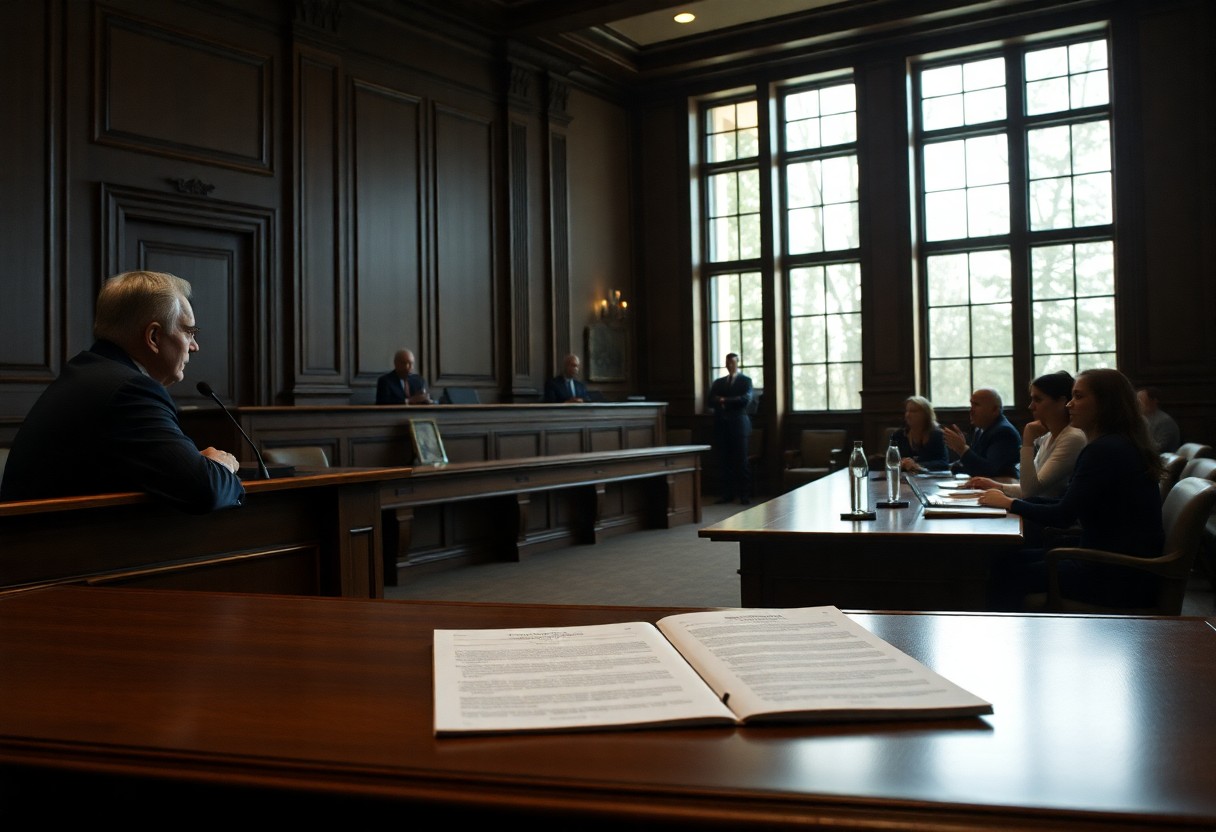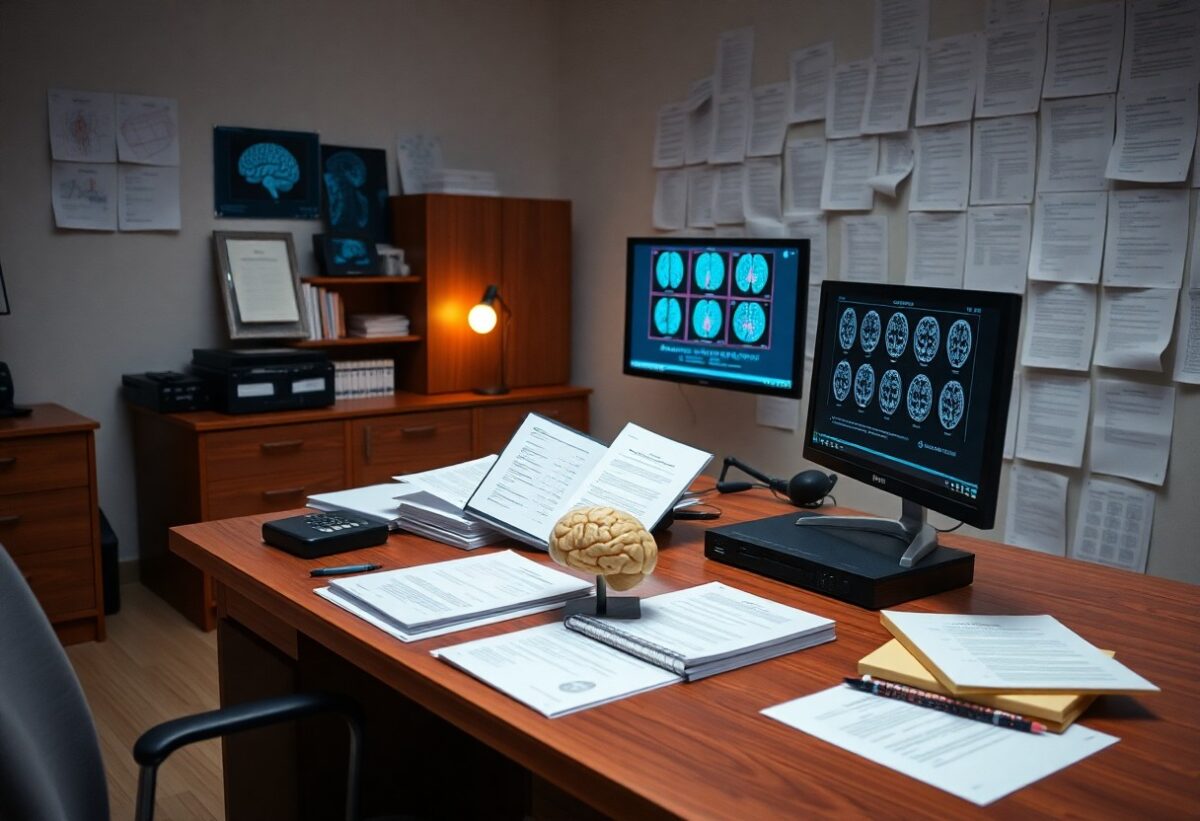
Over the years, neuropsychology has emerged as a significant factor in criminal defence, providing insights into how brain function influences behavior. Understanding your client’s neurological health can significantly impact case strategy, offering a deeper comprehension of their actions and mental state. By examining cognitive functions and potential impairments, you can effectively argue for mitigating circumstances, which may alter perceptions of guilt and punishment. As the legal landscape evolves, integrating neuropsychological expertise becomes imperative for a balanced and informed defence strategy.
Understanding Neuropsychology
Definition and Scope
Neuropsychology examines the relationship between brain function and behavior. It encompasses various aspects of cognition, emotion, and behavior, utilizing assessments to understand how neurological conditions impact individuals. Your understanding of neuropsychology’s scope is crucial in criminal defense, as it explores how mental processes can influence decision-making and actions.
Historical Background
The field of neuropsychology has evolved significantly, tracing back to the 19th century when early researchers began linking brain injuries to behavioral changes. Pioneers like Paul Broca and Carl Wernicke made foundational contributions by identifying specific brain areas responsible for language and other cognitive functions, laying the groundwork for understanding disorders and assessing competency in legal contexts.
Broca’s discovery of the area of the brain related to speech production revolutionized the field and underscored the importance of localized brain functions. Later developments, like the introduction of neuroimaging technologies in the late 20th century, provided visual evidence of brain activity, further enhancing your capability to apply neuropsychological principles in legal situations. These advancements not only offered better diagnostic tools but also allowed more accurate evaluations of defendants’ mental states and capacities at the time of their offenses.
Key Figures and Contributions
Several key figures have shaped neuropsychology, each offering invaluable insights. Prominent ones include Alexander Luria, known for his work on brain theory and brain function, and Elizabeth Warrington, who contributed to our understanding of memory and cognitive disorders. Their research supports your grasp of how these elements can impact legal responsibility.
Alexander Luria’s extensive studies of brain lesions significantly advanced the understanding of cognitive functions, illuminating how specific brain damage leads to distinct behavioral changes. Elizabeth Warrington’s work further refined neuropsychological assessments and highlighted the complexities of memory systems. Understanding their contributions equips you with a stronger foundation for utilizing neuropsychological evaluations in criminal cases, potentially affecting juror perceptions and outcomes.
The Intersection of Neuropsychology and Law
Overview of Criminal Defence
Your understanding of criminal defence involves assessing a defendant’s mental state at the time of the crime. This area of law seeks to ensure that the legal system can appropriately categorize actions based on intent, mental capacity, and other factors influencing behavior. By examining these elements, attorneys can strategize effectively for their clients, potentially invoking various defenses based on psychological insights.
Relevance of Neuropsychology
Neuropsychology plays an necessary role in criminal defence by providing insights into how brain injuries or disorders can impact an individual’s behavior and decision-making. You might consider how neurological assessments can reveal conditions that undermine a defendant’s culpability or ability to comprehend their actions, thus influencing case outcomes.
For instance, the case of John Hinckley Jr., who attempted to assassinate President Reagan, highlighted the importance of understanding mental illness in legal contexts. Neuropsychological evaluations not only informed the jury about his mental state but also raised questions about responsibility and accountability in the face of such disorders. By integrating scientific findings into legal arguments, neuropsychologists help bridge the gap between clinical evidence and judicial reasoning.
Legal Standards for Mental Capacity
The legal standards for mental capacity establish the criteria by which a defendant is deemed competent to stand trial or to understand their actions during the alleged crime. You will find that these standards vary between jurisdictions but generally require that individuals possess a rational understanding of their charges and can assist in their defense.
In practice, courts often refer to the Dusky standard, which stipulates that a defendant must have a factual and rational understanding of the proceedings against them. This influences whether they can enter a plea or be represented effectively. Neuropsychological evaluations are focused on assessing cognitive functions such as memory, attention, and reasoning, which serve as critical indicators of an individual’s legal competency, ultimately guiding judicial decisions and trial proceedings.
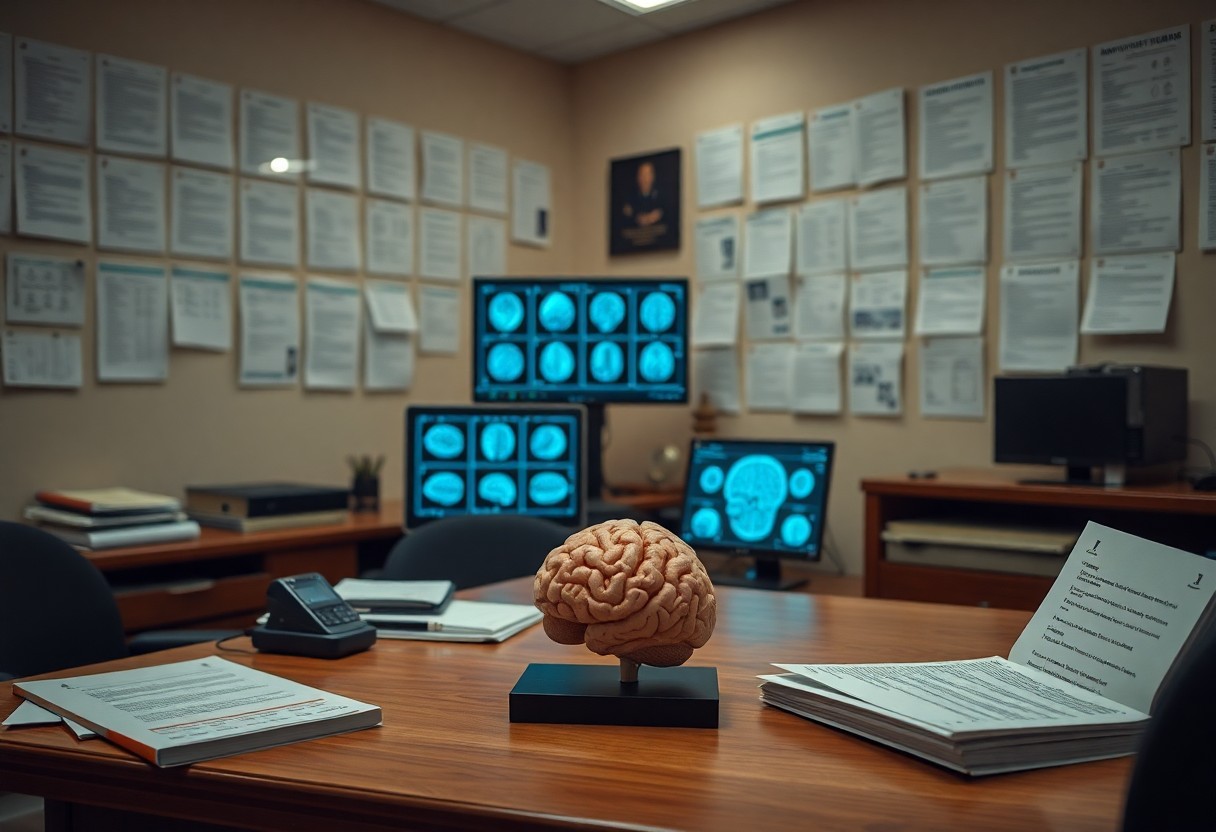
Neuropsychological Assessments in Criminal Cases
Types of Assessments
Various types of neuropsychological assessments are employed in criminal cases to evaluate cognitive functioning and mental health. These can include:
- Personal interviews
- Cognitive tests
- Behavioral assessments
- Neurological evaluations
- Standardized psychological tests
After selecting appropriate assessments, a comprehensive evaluation can help clarify the defendant’s mental state and competency.
| Type of Assessment | Description |
| Personal Interviews | Engage the individual in discussions to gather insights on behavior and history. |
| Cognitive Tests | Evaluate memory, attention, problem-solving abilities, and other cognitive functions. |
| Behavioral Assessments | Assess observable actions and responses in various situations. |
| Neurological Evaluations | Involve imaging techniques to identify any brain anomalies. |
| Standardized Psychological Tests | Utilize established measures to assess psychological traits and symptoms. |
Tools and Methodologies
Neuropsychologists utilize various tools and methodologies to conduct these assessments effectively. Common tools include both established standardized tests and custom evaluations tailored to the specific case.
A comprehensive approach combines qualitative and quantitative data, ensuring a detailed understanding of cognitive function. Tests such as the Wechsler Adult Intelligence Scale and the Minnesota Multiphasic Personality Inventory are frequently applied, allowing for a nuanced analysis of mental health and cognitive abilities. Additionally, clinical interviews provide necessary context that helps interpret test results in relation to the individual’s legal circumstances.
Interpretation of Results
Interpreting neuropsychological assessment results involves synthesizing data to form a coherent picture of the individual’s mental state. This interpretation is crucial for understanding how cognitive impairments may relate to criminal behavior.
Results from assessments can reveal significant deficits or impairments that impact decision-making, impulse control, and understanding of consequences. These insights can be pivotal in court, potentially influencing sentencing, competency evaluations, and overall defense strategies. A thorough understanding not only aids legal professionals but also informs treatment plans that may be warranted for the defendant.
The Role of Neuropsychologists in Court
Expert Witness Testimony
Your understanding of the case is deepened when neuropsychologists provide expert witness testimony. They utilize their extensive knowledge of brain function and behavior to clarify complex psychological issues, helping juries grasp the nuances of mental health and cognitive impairments influencing the defendant’s actions.
Case Consultations
Engaging a neuropsychologist in case consultations can significantly impact your legal strategy. You gain valuable insights into how cognitive factors may affect a defendant’s culpability, providing a framework for approaching plea negotiations or trial defenses.
During these consultations, you can work collaboratively with a neuropsychologist to evaluate evidence related to brain function, emotional stability, and behavior. This partnership enables a more informed assessment of the defendant’s mental state and potential defenses, thus strengthening your position in court. The neuropsychologist may also guide you on relevant psychiatric evaluations that can substantiate your arguments.
Influence on Jury Perception
Your ability to sway jury perception hinges on the effective presentation of psychological findings. Neuropsychologists play a pivotal role in translating intricate neuropsychological assessments into terms that juries can comprehend, which can shape their views on the defendant’s responsibility.
When jurors are presented with clear, relatable explanations of mental health conditions and their impacts on behavior, it cultivates empathy and understanding. Neuropsychologists often use visuals or analogies to illustrate brain function and psychological states. This strategy not only simplifies complex information but also humanizes the defendant, allowing jurors to consider the broader context of their actions rather than viewing them solely through a legal lens.
Neuropsychology and Mental Health Defenses
Insanity Plea
The insanity plea asserts that, at the time of the crime, you were unable to understand the nature of your actions due to a severe mental illness. Neuropsychological evaluations play a key role in substantiating this defense, providing evidence of cognitive impairments or psychological disorders that impact your decision-making and understanding. Courts often rely on expert testimonies regarding your mental state to determine eligibility for this complex defense.
Diminished Capacity
Diminished capacity recognizes that you may have a reduced ability to form intent due to mental illness or cognitive decline. Neuropsychological assessments can illustrate how your mental condition affected your reasoning or impulse control, which can lead to a modified charge or lesser sentence. This defense does not absolve you of responsibility but seeks to reduce the severity of the charges based on your mental state.
For example, if you experienced a traumatic brain injury affecting your ability to reason during the crime, expert testimonies can demonstrate that your actions were not premeditated. Jurors may be more sympathetic when they understand the role of your neuropsychological condition in influencing your behavior. Cases where diminished capacity is successfully argued typically involve comprehensive psychological evaluations, detailing specific impairments that led to the crime.
Competency to Stand Trial
Competency to stand trial evaluates whether you have the mental capacity to understand the court proceedings and assist in your defense. Neuropsychology assesses your cognitive abilities, including comprehension, memory, and communication skills, to ensure you can engage meaningfully in your trial. If found incompetent, legal proceedings may be delayed until you receive adequate treatment.
Evaluating competency involves standardized tests and expert opinions, often incorporating interviews and behavioral observations. A historical case, such as Ford v. Wainwright, established that individuals deemed incompetent due to mental illness cannot be executed, highlighting how neuropsychological insights can directly affect trial outcomes. Ensuring competency is vital for maintaining fair legal processes, reflecting your right to a proper defense.
Ethical Considerations in Neuropsychology
Confidentiality and Consent
In neuropsychological assessments, confidentiality is paramount. You must ensure that clients are fully informed about the nature and purpose of the evaluation before giving consent. It’s necessary to articulate how their information will be used, who will have access to it, and the limits of confidentiality, especially in legal contexts where their evaluations may be disclosed in court. This transparency fosters trust and allows clients to make informed choices about their participation.
Potential Bias and Objectivity
Maintaining objectivity in neuropsychological evaluations can be challenging. You must be aware of potential biases stemming from personal beliefs, the pressures of the case, or the expectations of legal representatives. Evaluators should adopt standardized methods and adhere strictly to scientific principles to uphold the integrity of their assessments.
Potential biases can manifest unintentionally, influencing your interpretations and conclusions. For instance, if you have preconceived notions about a defendant’s mental state based on their criminal history, this may skew your assessment. A systematic approach, utilizing validated tests and protocols, is necessary in minimizing such biases. Regular training and peer reviews can further enhance objectivity in your evaluations.
Impact on Client Rights
The ethical obligations of neuropsychologists significantly affect client rights. Ensuring informed consent means you honor a client’s autonomy and legal rights, paving the way for fair representation. Proper adherence to ethical standards not only protects your client’s interests but also upholds the integrity of the justice system.
Your evaluations can influence a client’s legal outcomes, making it vital to maintain a balance between thoroughness and ethical responsibility. If their rights are compromised, the integrity of the entire legal process is at stake. Upholding ethical standards ensures that your evaluations contribute to justice, rather than undermining it. This balance is necessary to promoting fairness and protecting the rights of all individuals involved in the legal system.
Final Words
With this in mind, understanding the role of neuropsychology in criminal defense can profoundly impact your approach to legal cases. By recognizing how cognitive function and mental health can influence behavior, you equip yourself with the insights necessary for a robust defense strategy. This knowledge allows you to advocate effectively for individuals whose neuropsychological conditions may mitigate culpability, providing a more complete picture of the circumstances surrounding criminal behavior. Ultimately, integrating neuropsychological principles into your practice enhances the pursuit of justice for those affected.