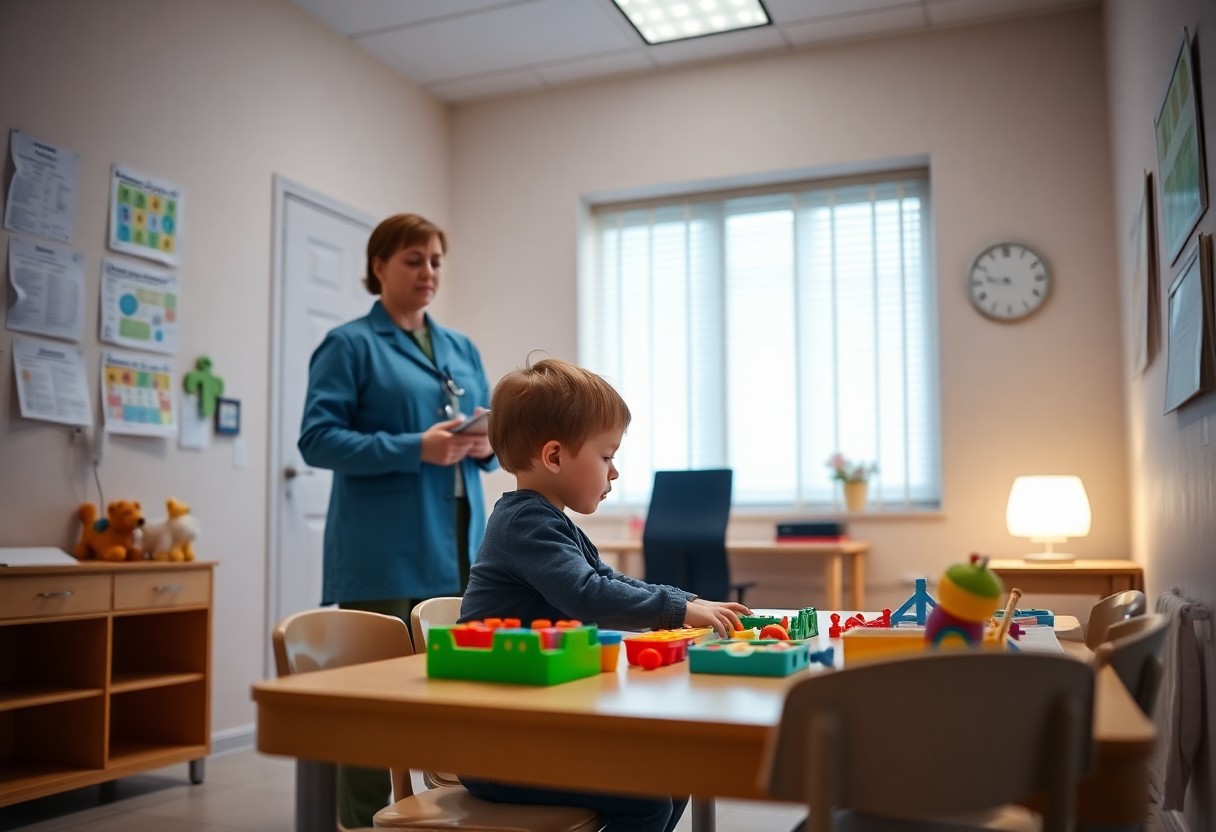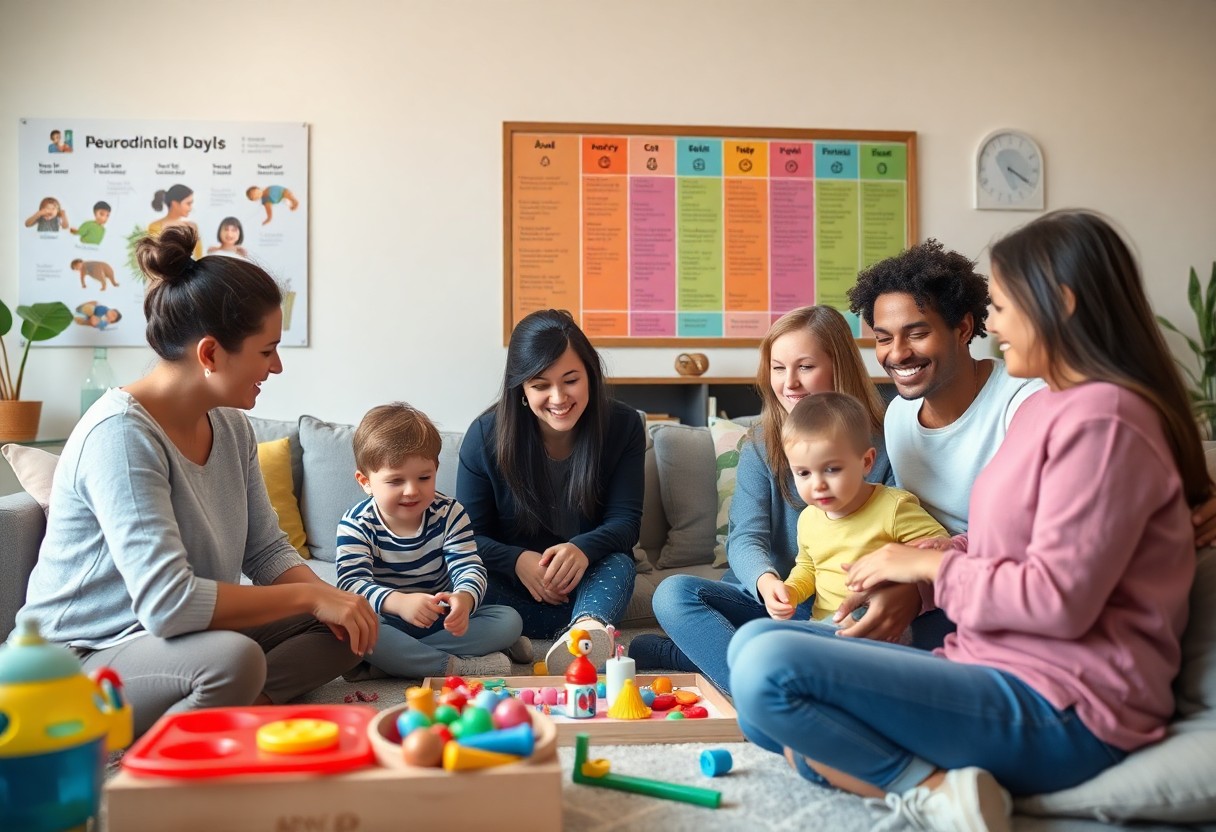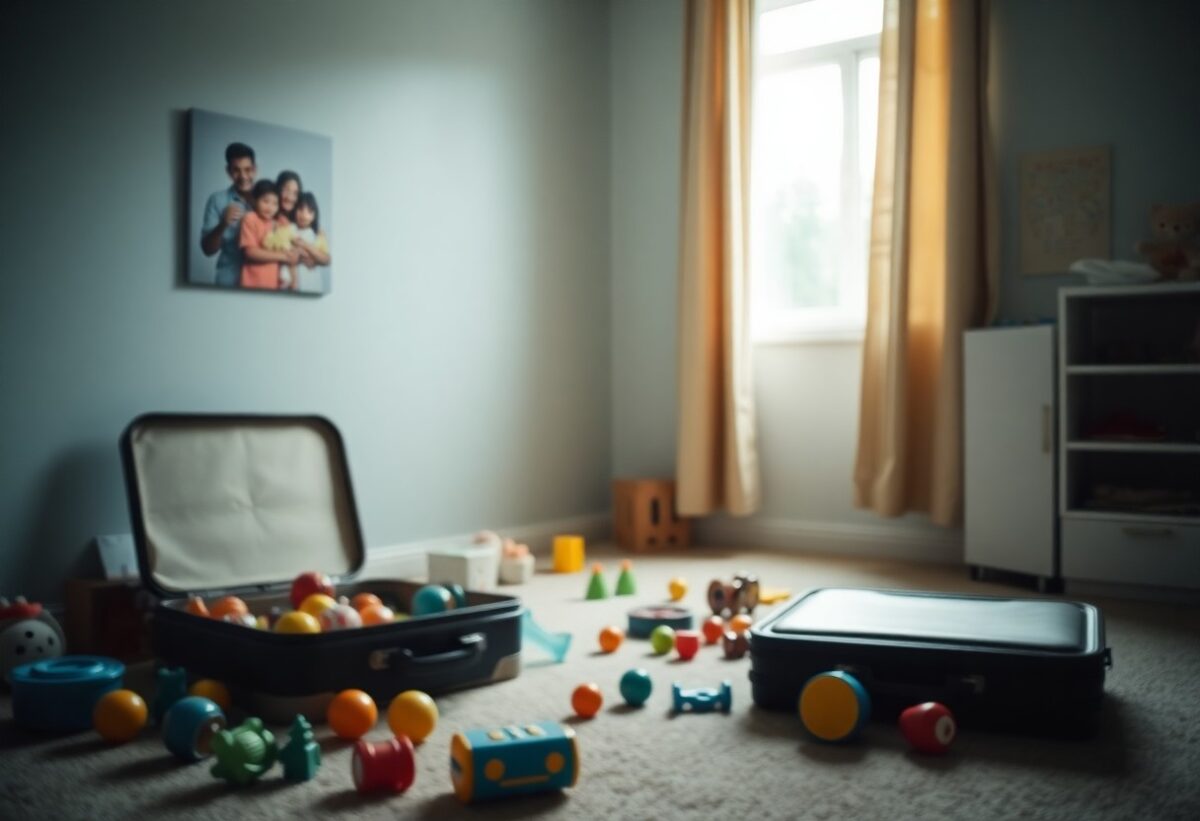
Attachment can be significantly disrupted after parental separation, affecting your child’s emotional and psychological well-being. Understanding the impact of this disruption helps you navigate the challenges and supports your child’s development. You may observe changes in your child’s behavior, anxiety levels, or social interactions, highlighting the importance of fostering secure attachments during this transitional period. By recognizing these effects, you can take steps to mitigate potential issues and promote resilience in your child.
Understanding Attachment Theory
Definition of Attachment
Attachment refers to the emotional bond that forms between a child and their primary caregiver, serving as a foundation for future relationships. This connection is important for your child’s development, influencing how they perceive safety, reliability, and emotional availability in the world around them.
Types of Attachment Styles
Attachment styles generally fall into four categories: secure, anxious, avoidant, and disorganized. Each style reflects different parenting behaviors and child responses, impacting your child’s future interactions and emotional health. Understanding these styles can provide insights into your child’s behavior after a separation.
| Secure | Stable and trusting relationships. |
| Anxious | Overly dependent and clingy. |
| Avoidant | Indifferent and emotionally distant. |
| Disorganized | Confused and fearful of caregivers. |
| Insecure | Mix of anxiety and avoidance. |
- Knowing how these styles manifest helps you address possible challenges in your child’s emotional development.
Understanding your child’s attachment style aids in identifying their emotional responses and behaviors. For instance, a securely attached child typically exhibits confidence in exploring their environment, while an anxious child may display clinginess or fear in unfamiliar situations. Awareness of these differences can guide your approach in providing reassurance and stability during a transition following a parental separation.
| Secure | Comfortable with intimacy and independence. |
| Anxious | Often worries about abandonment. |
| Avoidant | Tends to withdraw from emotional connections. |
| Disorganized | Exhibits erratic behaviors due to fear. |
| Insecure | Struggles with balancing closeness and distance. |
- Knowing your child’s attachment style can help you tailor your support to their specific emotional needs.
Importance of Attachment in Childhood
Attachment plays a fundamental role in shaping your child’s emotional and social development, influencing their ability to form relationships and cope with stress. A strong attachment provides a secure base from which your child can explore the world, fostering resilience and emotional intelligence.
Research indicates that secure attachments correlate with better academic performance, healthier relationships, and improved emotional well-being as children grow. In contrast, anxious or avoidant attachment can lead to difficulties with trust and emotional regulation. By understanding the significance of attachment, you can support your child’s emotional needs through challenging times, such as parental separation. Implementing strategies to strengthen this bond is vital for fostering long-term positive outcomes in your child’s life.
The Impact of Parental Separation
Emotional Ramifications
Your child may experience a surge of emotions such as sadness, anger, or confusion following a separation. These feelings can stem from a perceived loss of stability and security, leading to increased anxiety and distress. Understanding these emotional impacts is crucial to help alleviate the turmoil they face during this transition.
Behavioral Changes in Children
Behavioral changes can manifest in various ways, including withdrawal, aggression, or increased clinginess. You might notice your child exhibiting different habits, such as trouble concentrating at school or acting out at home, which correlate with their emotional state. Being aware of these behaviors will enable you to address them appropriately.
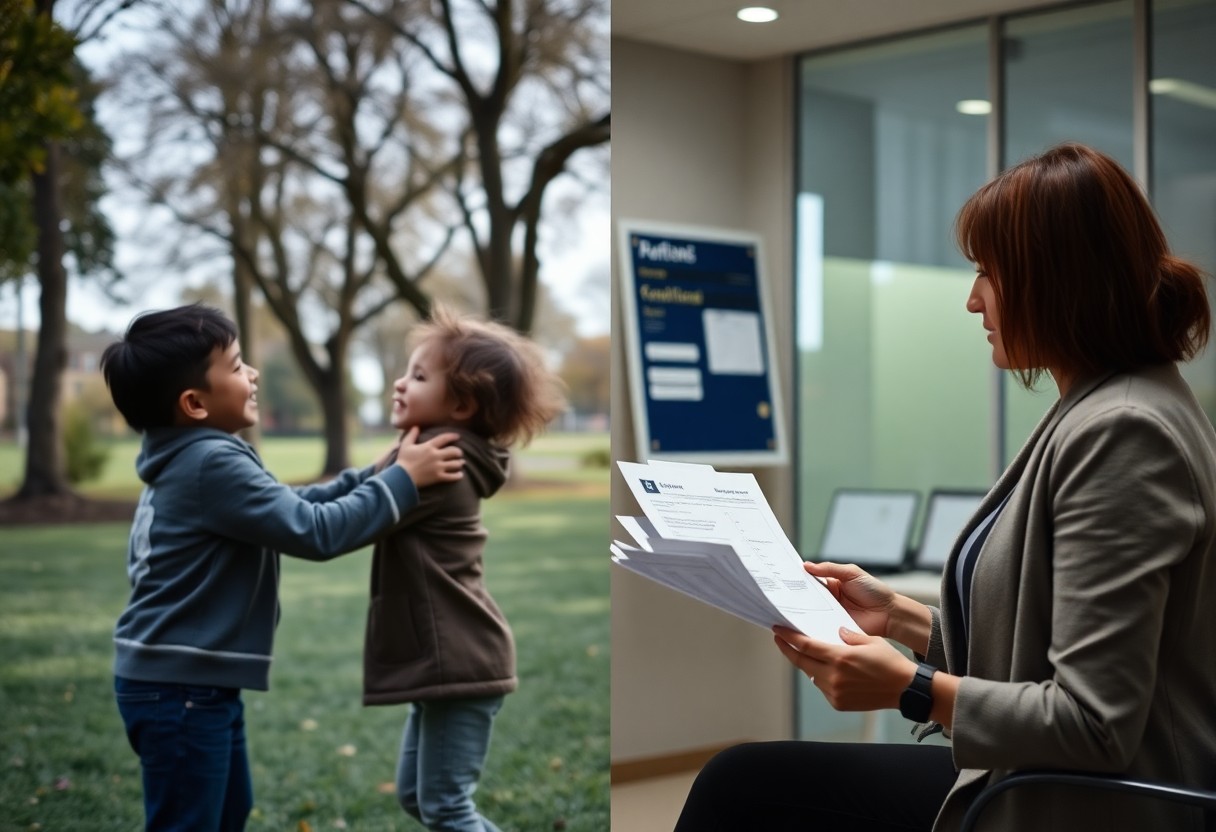
For instance, some children may become socially withdrawn, avoiding interactions with peers or family members. Others might act out, displaying anger or frustration, perhaps even through physical outbursts or defiance. These behaviors often serve as coping mechanisms for the internal chaos they feel, highlighting the need for your support and understanding during this challenging time.
Long-term Psychological Effects

Factors Influencing Attachment Disruption
- Age at Separation
- Frequency of Parent-Child Contact
- Quality of Parenting Post-Separation
Age at Separation
The age at which separation occurs plays a significant role in attachment disruption. Younger children, particularly infants and toddlers, often rely heavily on parental figures for emotional support and security. As such, disruptions during these formative years can profoundly impact their ability to form healthy attachments later in life.
Frequency of Parent-Child Contact
The frequency of contact between you and your child after a separation greatly influences attachment stability. Regular, consistent interactions can help mitigate feelings of loss and abandonment, reinforcing the bond you share. In contrast, sporadic contact may lead to anxiety and uncertainty in your child’s attachment to you.
Studies suggest that children who experience regular contact with the non-custodial parent demonstrate lower levels of behavioral problems and better emotional well-being. In scenarios where contact is inconsistent, children may struggle with feelings of rejection and insecurity, complicating their ability to maintain a secure attachment. It’s imperative to prioritize regular visits or communication to foster a sense of stability and connection.
Quality of Parenting Post-Separation
The quality of parenting following a separation is pivotal in shaping your child’s attachment experiences. Supportive and nurturing interactions can bolster emotional resilience and promote secure attachments, whereas negative behaviors may exacerbate attachment disruptions.
Children thrive in environments where they feel safe and valued. When you provide warmth, responsiveness, and stability post-separation, you lay a foundation for healthy attachments. Conversely, exposure to conflict, neglect, or inconsistent caregiving can undermine your child’s sense of security and increase the likelihood of attachment issues. Prioritizing a nurturing approach in your interactions is imperative for fostering lasting connections despite the challenges of separation.
Attachment Disruption in Different Family Dynamics
Single-Parent Families
In single-parent families, children often experience unique challenges post-separation. The absence of one parent can lead to feelings of abandonment or insecurity, affecting their attachment styles. The primary caregiver may also struggle with time constraints and emotional stress, impacting their ability to provide consistent emotional support.
Blended Families
Blended families present a complex landscape for attachment. The introduction of stepparents and stepsiblings can create both opportunities and challenges for children. Navigating new relationships may trigger loyalty conflicts and feelings of divided attachments, which can exacerbate anxiety and insecurity.
Blended family dynamics often require children to adapt quickly to new configurations. Research shows that while some children thrive with additional adult support, others may struggle with feelings of displacement. Open communication and gradual integration of family members tend to foster a more stable environment, allowing children to adjust and form new attachments without feeling torn between parental figures.
Grandparent and Other Relations
When grandparents or other relatives step in as primary caregivers, the attachment landscape transforms again. These caregivers often offer stability and continuity, which can mitigate the adverse effects of parental separation. However, children’s pre-existing bonds with their parents may complicate their relationships with these alternative caregivers.
Grandparents, in particular, can be pivotal in establishing a sense of security. In situations where one parent is absent, grandparents often bridge the gap, providing emotional support and familiar connections. Studies indicate that children living in grandparent-led households frequently develop strong, positive attachments, although ongoing communication about the parent’s role is vital to prevent confusion and promote healthy relationships across family members.
Strategies for Mitigating Attachment Disruption
Open Communication with Children
Keeping an open line of communication with your children allows them to express their feelings about the separation. Encourage them to share their thoughts and emotions without fear of judgment. Use age-appropriate language to help them understand the situation, reassuring them that their feelings are valid and important in the process of healing.
Consistent Routines and Stability
Establishing consistent routines helps provide a sense of security for your children during times of uncertainty. Predictable schedules for meals, bedtime, and activities create a comforting framework that allows them to navigate their emotions more effectively. Regularity in daily life reassures them that some things remain unchanged, boosting their emotional resilience.
Children thrive in environments where they know what to expect. By maintaining set routines, you can help alleviate anxiety stemming from parental separation. For instance, consider incorporating family traditions during meals or weekend activities. A predictable routine promotes a sense of normalization and helps children feel anchored amid the emotional turbulence of change.
Professional Support and Counseling
Seeking professional support for your children can significantly aid in processing their feelings about the separation. A child psychologist or counselor can provide tailored strategies that help them articulate their emotions and build coping skills. Connecting them with a professional can ease their emotional burden and enhance their resilience in navigating complex feelings.
Counseling offers a safe space for your children to explore their emotions without the fear of causing additional stress within the family. Professionals can implement techniques such as play therapy or cognitive-behavioral methods to help children manage anxiety and improve communication skills. Engaging in these therapeutic practices can foster a healthier adjustment to the changes they’re facing, ultimately promoting their emotional well-being and attachment security.
Case Studies and Research Findings
- A study by the Child Development Institute found that 40% of children from separated parents display signs of attachment disruption.
- Research involving 120 families showed that children exposed to high conflict during separation are 60% more likely to develop secure attachment issues.
- A longitudinal study tracking 300 children highlighted that those who maintained regular contact with both parents had a 50% better adjustment rate post-separation.
- Findings from a 5-year study indicated that children placed in foster care after parental separation experienced a 70% rate of insecure attachment styles.
- In a cohort of 200 adolescents, the presence of a stable, loving adult during parental separation led to improved attachment security in 65% of cases.
Key Research Studies on Attachment and Separation
Various studies have shed light on the complex dynamics of attachment disruption following parental separation. Research reveals that consistent emotional support and communication between children and their parents can mitigate the adverse effects that typically arise from these circumstances.
Real-life Case Narratives
Real-life narratives illustrate the profound effects of parental separation on children’s attachment styles. By examining individual stories, you gain insights into how unique experiences shape emotional responses and relationships post-separation.
For instance, a case study of a 10-year-old boy named Alex, who experienced his parents’ tumultuous divorce, showcases his journey toward navigating attachment issues. Following the separation, he exhibited significant anxiety and behavioral challenges. Engaging in family therapy helped him build a stronger bond with both parents, leading to improved emotional regulation and greater security in his attachments.
Statistics on Attachment Outcomes
Statistics on attachment outcomes reveal alarming trends tied to parental separation. Studies suggest that nearly 30% of children who experience separation may develop long-term attachment disorders if not properly supported during and after the process.
Furthermore, data indicates that children who have both parents involved, even post-separation, show a 40% lower likelihood of developing attachment issues compared to those with minimal contact. This underscores the importance of nurturing relationships and the role they play in fostering secure attachments in children facing such challenges.
To wrap up
Considering the impact of parental separation on attachment, you may find yourself navigating complex emotions and relationships. You need to recognize how these disruptions can affect your well-being and that of your children. Prioritizing effective communication and support can aid in rebuilding secure attachments. By being aware of your feelings and the emotional needs of your children, you can foster resilience and connectedness, ultimately mitigating the negative effects of separation.