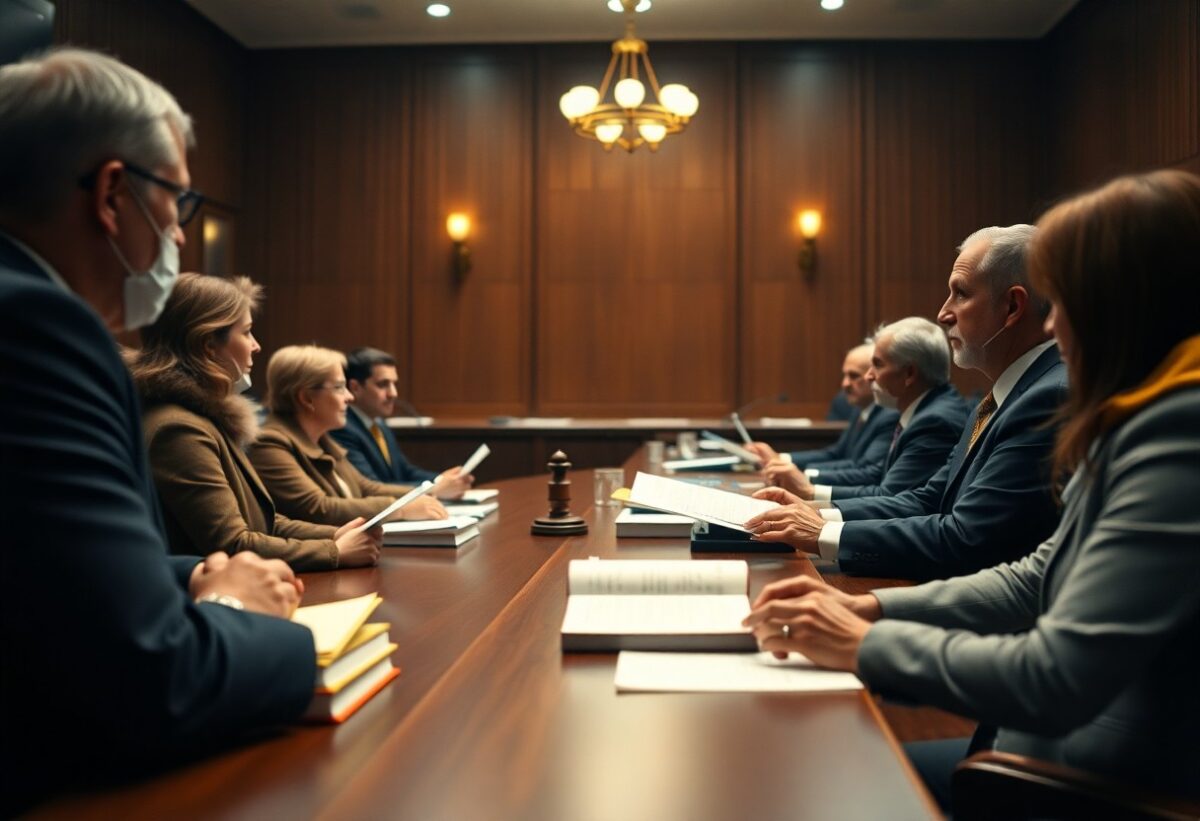
Cognition plays a significant role in how you perceive and evaluate expert testimony. This blog post will guide you through the intricacies of cognitive bias and its impact on the reliability of expert opinions. By understanding these biases, you can enhance your ability to critically assess the validity of expert testimony in various contexts, such as legal cases, scientific research, and beyond. Gaining insight into cognitive bias empowers you to make more informed decisions based on expert inputs.
Defining Cognitive Bias
Overview of Cognitive Bias
Cognitive bias refers to systematic patterns of deviation from norm or rationality in judgment. These biases can affect the way you interpret information, leading to erroneous conclusions and judgments. In expert testimony, being aware of these biases can enhance the accuracy and reliability of opinions presented in court.
Historical Context and Evolution of Cognitive Bias
The study of cognitive bias has roots in psychological research, particularly from the mid-20th century. Pioneers like Daniel Kahneman and Amos Tversky laid the groundwork by demonstrating how human decision-making is often influenced by heuristics-mental shortcuts that can lead to biases. Over time, the understanding of these biases has expanded, revealing their significant impact across various domains, including law and expert testimony.
This evolution has been marked by numerous studies and experiments illustrating how cognitive biases operate. For instance, the availability heuristic shows that people often rely on immediate examples that come to mind, rather than statistics. In legal contexts, this can mean that jurors may give undue weight to vivid or memorable testimonies over more factual but less engaging evidence. Ongoing research continues to explore the implications of these biases, aiming to improve the standards for presenting expert testimony.
Types of Cognitive Bias Relevant to Expert Testimony
Several cognitive biases can significantly impact expert testimony, affecting how you perceive and evaluate evidence. These include confirmation bias, the halo effect, and anchoring bias, among others. Understanding these biases can help you navigate expert opinions more effectively and make more informed decisions in legal contexts.
| Cognitive Bias | Description |
|---|---|
| Confirmation Bias | Favoring information that confirms existing beliefs. |
| Anchoring Bias | Relying too heavily on the first piece of information encountered. |
| Halo Effect | Letting an overall impression influence specific judgments. |
| Overconfidence Bias | Overestimating one’s own knowledge and ability to predict. |
| Availability Heuristic | Prioritizing information that is more readily available in memory. |
Among the most significant biases, confirmation and anchoring biases often lead you to favor evidence that aligns with pre-existing beliefs. Moreover, the halo effect can cloud judgment by inflating the credibility of experts based on unrelated attributes. Recognizing these biases can be crucial for both experts and jurors in maintaining objectivity in testimony.
- Strategies like blind evaluations can mitigate bias.
- Engaging multiple experts may provide diverse perspectives.
- Education about these biases is vital for all court participants.
- Awareness can improve the quality of expert testimony.
- Continual training in bias recognition enhances legal processes.
The Role of Expert Testimony in the Legal System
Function and Importance of Expert Witnesses
Expert witnesses play a vital role in legal proceedings by providing specialized knowledge that assists judges and juries in understanding complex issues. Their insights, drawn from extensive training and experience, help clarify technical details that could influence case outcomes. By translating intricate principles into understandable terms, expert witnesses enhance the decision-making process, ensuring that all parties have equal access to nuanced information.
Standards for Admissibility of Expert Testimony
The admissibility of expert testimony is governed by specific legal standards, primarily established through case law and statutory guidelines. Courts must assess whether an expert’s methodology is reliable and relevant to the case at hand. Typically, this includes evaluating the expert’s credentials, the scientific basis of their opinions, and adherence to established methodologies in their field.
In the United States, the leading standards for admissibility stem from the Daubert v. Merrell Dow Pharmaceuticals, Inc. case, which set forth criteria such as testability, peer review, error rates, and widespread acceptance within the relevant scientific community. Furthermore, judges act as gatekeepers, ensuring that only reliable and pertinent testimony reaches the jury. Adhering to these standards is necessary for maintaining the integrity of expert testimony in legal contexts.
The Impact of Expert Testimony on Legal Outcomes
Expert testimony significantly influences the outcomes of legal proceedings, often swaying jury decisions or judicial rulings. By delivering persuasive and credible information, experts can shape perceptions and interpretations of facts, which can lead to favorable or unfavorable results for litigants. The weight and clarity of this testimony often become determining factors in verdicts or settlements.
In fact, studies show that cases involving expert witnesses are more likely to result in favorable outcomes for the party presenting the expert. A notable example is the 2016 case of Daubert v. Merrell Dow, where expert testimony on drug effects provided critical insights that led to a landmark ruling. This highlights how effectively presented expert evidence can be pivotal, ultimately steering legal decisions in favor of informed arguments over mere assumptions or conjectures.
Common Cognitive Biases in Expert Testimony
Confirmation Bias
Confirmation bias occurs when you seek out or interpret evidence in a way that confirms your preexisting beliefs. In expert testimony, this can lead to the selective endorsement of data that supports a particular conclusion while ignoring contradictory evidence, ultimately skewing the perception of the expert’s reliability.
Anchoring Bias
Anchoring bias refers to the tendency to rely heavily on the first piece of information encountered when making decisions. In legal contexts, the initial statements made by experts can strongly influence jurors, leading them to give disproportionate weight to the first set of facts presented, rather than reassessing the information in light of subsequent testimony.
In this context, if an expert initially presents extravagant estimates or assertions during their testimony, jurors may anchor their assessment of the case on those numbers. Studies reveal that jurors who encounter specific figures first are likely to base their decisions around those figures, regardless of later, potentially more accurate evidence.
Overconfidence Bias
Overconfidence bias is when individuals overestimate their knowledge or abilities. Experts may present their opinions with unwarranted certainty, which can create misleading impressions about their expertise. This excessive confidence can cloud judgment and influence the weight given to their testimony by jurors.
This bias can manifest in the courtroom when an expert asserts a definitive conclusion without acknowledging the uncertainties inherent in their field. Research shows that this effect can lead jurors to perceive expert testimony as more credible, despite any lack of solid evidence supporting the claims, effectively distorting the trial outcome.
Hindsight Bias
Hindsight bias is the inclination to see events as having been predictable after they have already happened. In expert testimony, this can lead you to believe that experts should have foreseen certain outcomes, undermining the legitimacy of their analysis and conclusions.
The Dunning-Kruger Effect
The Dunning-Kruger Effect refers to the cognitive bias wherein individuals with low ability at a task overestimate their ability. In expert testimony, this bias can manifest when less knowledgeable experts assert their opinions with unwarranted confidence, potentially misguiding jurors.
Identifying and Mitigating Cognitive Bias
Recognizing Bias in Expert Testimony
To address cognitive bias in expert testimony, first, you must be able to recognize its signs. Bias can manifest as excessive confidence in conclusions, selective evidence presentation, or reliance on anecdotal experiences over empirical data. By scrutinizing the expert’s reasoning process, you can identify potential biases that cloud their judgment and affect the reliability of their testimony.
Techniques for Minimizing Bias
Implementing techniques to minimize bias is crucial for ensuring credible expert testimony. One effective method involves independent peer review, where other experts evaluate the testimony for objectivity and soundness. Additionally, employing structured methodologies, such as protocols for evidence evaluation, can help ensure that all relevant data is considered and reduce the influence of personal beliefs on conclusions.
Consider utilizing blinded reviews, where experts assess testimony without knowing the litigants or specific case details. This impartial perspective can help mitigate unconscious biases that might otherwise skew their evaluations. Engaging in explicit discussions about potential biases and employing decision-making frameworks can further foster critical thinking and reduce subjective influences on expert opinions.
The Role of Judges and Lawyers in Reducing Bias
Judges and lawyers play a pivotal role in minimizing cognitive bias in expert testimony. They are responsible for scrutinizing the qualifications of expert witnesses and ensuring their methods align with accepted standards. By challenging potentially biased statements and requiring thorough explanations, they help maintain the integrity of the judicial process.
Judges can issue rulings about the admissibility of testimony based on reliability and relevance, while lawyers can prepare for testimony by identifying and questioning potential biases. Their proactive involvement not only safeguards a fair trial but also helps cultivate an environment where objective, unbiased information can influence the case’s outcome. By prioritizing the awareness of cognitive bias, legal professionals contribute to a more balanced presentation of expert insights.
Case Studies Illustrating Cognitive Bias in Expert Testimony
- Case 1: Daubert v. Merrell Dow Pharmaceuticals (1993) – The Supreme Court set new standards for admissibility of expert testimony, emphasizing the reliability of methods and principles used, revealing potential biases in scientific evaluations.
- Case 2: Kumho Tire Co. v. Carmichael (1999) – Broadened the Daubert standard to all types of expert testimony, highlighting bias in subjective assessments by expert witnesses in diverse fields.
- Case 3: Frye v. United States (1923) – Established the “general acceptance” standard, which can lead to bias by relying on outdated methodologies no longer considered valid.
- Case 4: Joiner v. General Electric Co. (1997) – This case underscored the necessity of demonstrating causal links to avoid bias in presenting scientific evidence in court.
Landmark Cases and Bias Examples
Landmark cases like Daubert v. Merrell Dow and Kumho Tire Co. v. Carmichael showcase various cognitive biases, emphasizing the need for rigorous scrutiny of expert methodologies. These precedents illuminate how biases can influence judicial outcomes, particularly when courts fail to recognize flawed scientific rationale.
Analysis of Expert Testimony in Different Legal Contexts
Examining expert testimony across civil and criminal cases reveals varying implications of cognitive bias. In civil litigation, expert opinions often sway jury perceptions, while in criminal cases, the stakes are higher, and biases can lead to wrongful convictions. This intersection of law and psychology requires vigilance to minimize impacts on justice.
Understanding these differing contexts is critical. For instance, emotional appeals from expert witnesses in criminal cases can distract juries from facts, leading to biased decision-making, while expert testimony in civil cases may be skewed by vested interests, reflecting a selective presentation of evidence that can mislead juror assessments.
Lessons Learned from Case Studies
Case studies illustrate significant lessons regarding cognitive bias and expert testimony. Judicial systems must prioritize awareness of potential biases to ensure fairer outcomes, advocating for enhanced methodologies and robust standards within expert evidence protocols.
- Lesson 1: Judicial gatekeeping is crucial to filter out biased testimony, as seen in Daubert and Kumho.
- Lesson 2: Ongoing training for judges and legal professionals can mitigate the influence of biases.
- Lesson 3: The use of interdisciplinary approaches enhances the robustness of expert opinions, reducing bias.
These lessons underscore the necessity for continuous evaluation and adaptation of legal frameworks. By recognizing and addressing biases within expert testimony, legal practitioners can better uphold justice, ensuring that expert opinions contribute meaningfully to the fairness of the judicial process.
Future Directions in Addressing Cognitive Bias
Educational Initiatives for Experts
Your awareness of cognitive biases can be enhanced through structured educational programs targeted at experts in their fields. Training sessions that focus on recognizing and mitigating these biases can help professionals refine their testimony. Workshops and interactive scenarios are effective ways to convey the impact of biases on decision-making processes.
Evolving Standards in Legal Practice
Legal professionals are increasingly adopting standardized protocols to address cognitive biases in expert testimony. These evolving practices include implementing rigorous vetting processes for expert qualifications, ensuring cross-examination strategies are equipped to challenge biased presentations, and utilizing bias-checklist frameworks to assess testimony validity. As these standards gain traction, the legal landscape continues to adapt to the complex dynamics of expert evidence.
By establishing protocols designed to counteract the influence of cognitive biases, legal practitioners can enhance the fairness and reliability of expert testimony. For instance, courts may require experts to disclose potential conflicts of interest or bias history, while juries can be instructed on the limitations of expert opinions. Furthermore, developing an interdisciplinary approach that combines insights from psychology, law, and ethics can foster a more nuanced understanding of evidence evaluation. This shift promotes accountability and encourages experts to conduct their evaluations with greater objectivity.
Research Gaps and Opportunities for Further Study
Researching the nuances of cognitive bias in expert testimony remains underexplored, yet it holds significant potential for reform. Empirical studies could examine how various biases affect different fields, such as medicine versus engineering, providing tailored strategies for each domain. Moreover, examining the role of artificial intelligence in assisting experts or jurors in recognizing biases could revolutionize the court’s approach to expert testimony. Addressing these gaps not only furthers academic understanding but also enhances legal outcomes by fostering more reliable and unbiased expert contributions.
To wrap up
Understanding cognitive bias in expert testimony enables you to critically evaluate the reliability and objectivity of information presented in legal contexts. By recognizing biases such as confirmation bias or availability heuristic, you sharpen your ability to discern how these factors may influence expert opinions and decisions. Your awareness of these cognitive distortions not only enhances your analytical skills but also equips you to challenge and verify the credibility of expert contributions effectively, leading to more informed judgments in complex situations.